Sign in. It’s quick, free and it’s up to you.
An account is an optional way to support the work we do. Find out more.
Sign in. It’s quick, free and it’s up to you.
An account is an optional way to support the work we do. Find out more.
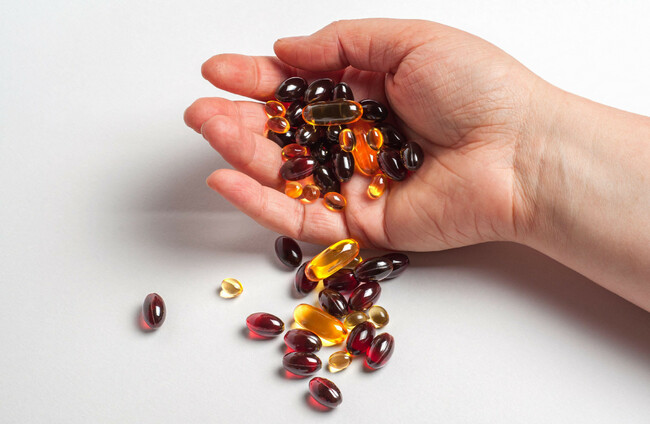
THE IRISH GOVERNMENT has not finalised a national position on EU regulations being worked on that aim to standardise the maximum permitted levels of vitamins and minerals in dietary supplements across 27 member states.
The EU Commission, which began work on the regulations over 20 years ago, argues that making maximum levels uniform across the bloc will not only resolve trade issues but also ensure the products are safe for consumers.
The proposed new limits are yet to be set, but critics of the EU’s directive that sets out the planned regulations say they will amount to an effective “ban” on some products.
Nutrition experts, on the other hand, argue that imposing limits makes sense, especially because they say most healthy people have no need for supplements as long as they have a balanced diet.
As it stands, each member state has its own set of regulations for nutrients in food supplements. This is unusual in the EU single market, where industry regulations are generally the same across all member states and therefore border checks are unnecessary.
Some of the EU’s regulations on food supplements are already in place in Ireland, and some supplement ingredients are already banned.
In recent parliamentary questions, Minister of State at the Department of Health Jennifer Murnane O’Connor was asked to comment on the matter.
She said consuming excessive amounts of vitamins can cause harmful effects, and to address this risk, maximum amounts set the amount of each vitamin and mineral in food supplements to ensure the safety of consumers.
“The objective of any future maximum amounts would be to protect consumers from excessive intake while maintaining access to safe and appropriately regulated products,” she said, adding that the concerns raised by stakeholders and members of the public regarding this issue are noted.
The Department of Health “has not yet finalised a national position on this matter”, she said, stating that any position adopted by Ireland will be informed by the available scientific evidence, relevant public health considerations, stakeholder views and discussions at EU level.
“The Department will continue to ensure that Ireland’s interests are represented throughout these discussions and that any future measures are carefully considered in light of both consumer safety and access to appropriate food supplements,” said the minister.
On behalf of the Department of Health, the Food Safety Authority of Ireland (FSAI) is participating in the EU Commission working group on food supplements and on the addition of vitamins and minerals to foods where the setting of maximum amounts is being discussed.
“Some stakeholders have raised concerns regarding the potential impact of future maximum amounts on the availability and strength of certain food supplements. It is important to note that the European Commission has not yet presented final proposals and no binding limits have been agreed at EU level,” said the minister.
“The Commission is continuing its preparatory work and has indicated that stakeholders will have opportunities to provide evidence and feedback through forthcoming consultation processes,” she said.
Should the European Commission undertake a public consultation or call for evidence, consumers and stakeholders will have an opportunity to make their views known, said Murnane O’Connor, stating that those views will be taken into account in the development of Ireland’s position.
In recent months, there have been reports about the overconsumption of some food supplements and the damage it can cause.
Australia’s drug regulator has ordered that supplements with high levels of vitamin B6 be removed from general sale in response to hundreds of reports of nerve damage and other side effects linked to long-term use, according to The Guardian.
From June 2027, any vitamin B6 product containing more than 50mg in each recommended daily dose will be moved behind the pharmacy counter.

To embed this post, copy the code below on your site













have your say