Sign in. It’s quick, free and it’s up to you.
An account is an optional way to support the work we do. Find out more.
Sign in. It’s quick, free and it’s up to you.
An account is an optional way to support the work we do. Find out more.
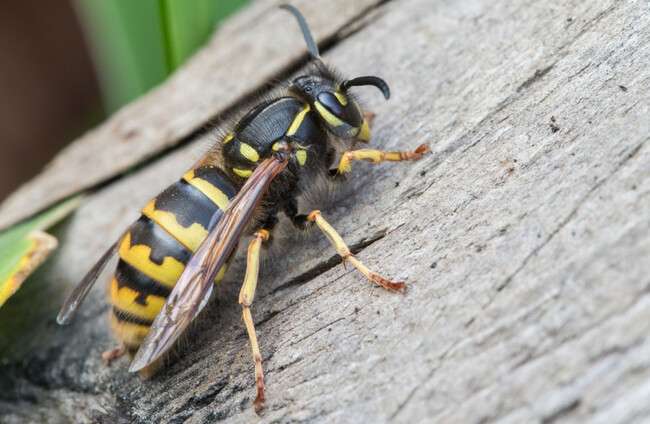
FROM THE BEGINNING of August up until the end of September, it is officially wasp season in Ireland.
The wasp population peaks and troughs depending on the weather conditions, and pest controllers Rentokil said that the past two years have seen an increase in calls related to wasps and wasp nests across the country.
TheJournal.ie spoke to Billy Flynn, from the Irish Wildlife Trust, to find out if there are more wasps flying around, and why it is that they’re so attracted to humans at this time of year.
“It’s a difficult one,” Flynn said when asked if there are more wasps around this year compared to other years. “We hear anecdotal evidence, but we have no empirical data to prove it for sure.
There are two widespread types of wasp, but it’s the vespula vulgaris – or the common wasp – which are the ones we tend to have a problem with.
Their lives are governed by climate, according to Flynn who said that people come into contact with wasps a lot at this time of year specifically because we spend more time outside.
“We do a good deal of work in attracting them to us,” he said.
As worker wasps are flying outside to feed themselves and feed protein to the larvae, they come into contact with humans who often mimic their own food sources.
“That’s one of the downsides as far as we’re concerned,” Flynn said.
Wasps are very attracted to flowers, and pollen. During the summer, we dress up in bright colours. We wash our hair with shampoo that can have a floral essence. We walk around eating bright coloured things like ice cream. It’s tastes like what they’re after.
He added that wasps congregate around rubbish bins during the summer as well.
“It just so happens to be that they’re flying around a lot at the same time we’re outside having a barbecue,” Flynn said. “We do bring a lot of it on ourselves though.”
We can expect the numbers to fall off towards the end of this month, before wasps disappear entirely for the year by October.
Rentokil advised people to stay away from nests if they see one – either outside or in their own garden – as wasps will often feel threatened and sting if you get too close.

To embed this post, copy the code below on your site













have your say