Sign in. It’s quick, free and it’s up to you.
An account is an optional way to support the work we do. Find out more.
Sign in. It’s quick, free and it’s up to you.
An account is an optional way to support the work we do. Find out more.
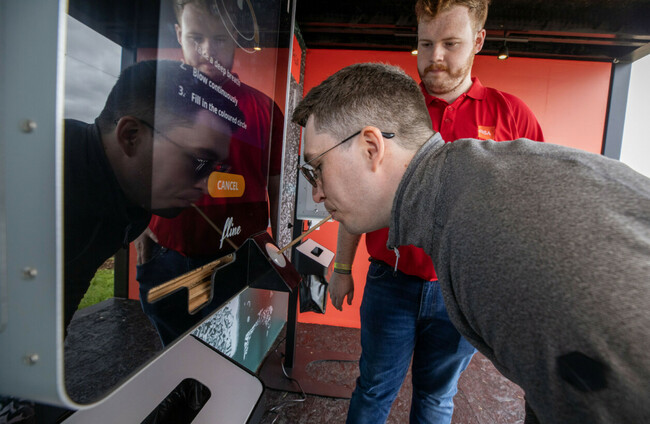
A ROAD SAFETY Authority (RSA) tender to install 20 breathalyser terminals across hotels and pubs has been scrapped just one day after news broke that it had been issued.
Seán Canney, minister of state with responsibility for Road Safety, has welcomed the decision to stop the breathalyser procurement process.
“I welcome the decision not to proceed with this procurement process. It is the right decision,” Canney said in a statement.
The initiative, which was set to cost approximately €1.5 million, aimed to challenge the perception of when it is safe to drive after drinking alcohol.
The RSA defended its plan after transport spokesperson for the Social Democrats, Aidan Farrelly TD, blasted it as “disgraceful” and “neglectful”.
Farrelly described the move as “a sharp turn away from a zero-tolerance approach to drink-driving”.
In response, a spokesperson for the RSA said: “The RSA’s message on drink-driving has not changed: if you are drinking, don’t drive.”
They said the purpose of the initiative is not to suggest that any amount of alcohol is safe before driving.
The plan came after a pilot programme found that a high proportion of motorists mistakenly believed that they were under the legal limit before getting behind the wheel.
The research showed that 45% of people in over 24,000 tests conducted thought they were under the legal limit when their actual breath test results found they exceeded the limit.
The RSA had made breathalysers available at hospitality locations and events across Ireland over a six-month period between August 2024 and February 2025.
The results showed 64% of those who exceeded the blood alcohol legal limit of 0.50g/l had said they were going to drive. In addition, 77% of those who mistakenly believed they were under the limit had indicated they were going to drive.
The research found young males aged 18-34 were most likely to underestimate their alcohol levels and say they were going to drive.

To embed this post, copy the code below on your site









have your say