Sign in. It’s quick, free and it’s up to you.
An account is an optional way to support the work we do. Find out more.
Sign in. It’s quick, free and it’s up to you.
An account is an optional way to support the work we do. Find out more.
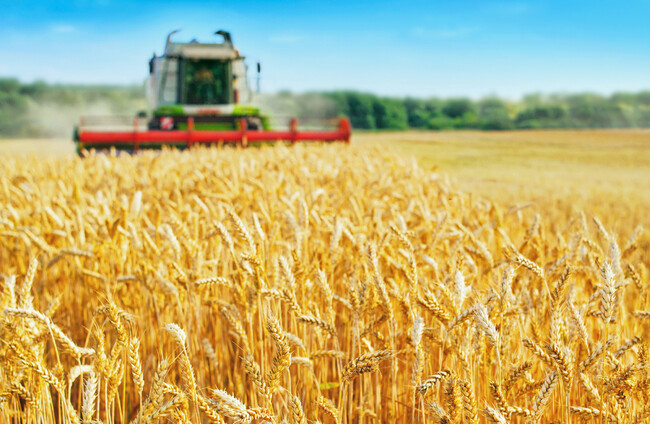
SUPPORT MUST BE given to Ukraine to ensure that the country can harvest its wheat and grain crop and export it despite the ongoing conflict there, Secretary General of the OECD Mathias Cormann has said.
Speaking at the Global Ireland Summit at Dublin Castle today, Comann said efforts should be made to agricultural producers in Ukraine, which has become known as the “breadbasket of the world”.
The secretary general acknowledged that such efforts would be difficult given the issues with exporting the crop out of the country.
Countries need to “reflect very seriously on how we could help Ukraine maintain the highest level of cereal production and delivery even in these challenging circumstances”, he said.
If Ukraine can get the seed in the ground and get product to market, it would help offset the food challenges ahead, he added.
Much of global supplies rely on the vast, fertile farmlands of the Black Sea region.
Ukrainian farmers have been forced to neglect their fields as millions flee, fight or try to stay alive.
Ports that send wheat and other food staples worldwide to be made into bread, noodles and animal feed have been shut down. And there are worries that Russia, another agricultural powerhouse, could have its grain exports upended by Western sanctions.
Cormann said he had spoken to the Ukrainian agriculture minister about the matter, stating that he believes Ukraine’s farmers will be in a position to have a seeding programme this year “even in these challenging circumstances”.
If a level of support is shown to agricultural producers in Ukraine, “I think we might be able to mitigate some of the downside risks the world is looking at”, he added.
Getting the harvested crop exported out of the country would be a “big challenge”, he acknowledged.
Much of the price inflation over the last few months is based on future expectations, he said, adding that the volume of wheat for 2021/2022 is aligned with the previous year.
However, he said the markets made adjustments on what they thought might happen down the line, thus increasing prices.
There are large producers of wheat in the US, Canada, Europe and Australia, he said, adding that the level of capacity could be adjusted to take on the impact of a depleted Ukraine harvest.
“We need to increase production to help fill in the supply gaps,” he said.
Developing economies will be particularly hit hard by higher food prices with many people being unable to afford food at higher prices, he said.
There is a risk that many will be forced into poverty due to the impending food crisis and energy cost rises.
Comann said the best way for Governments offset rising costs for people is to make “careful, considered decisions”.
“Well-targeted means tested supports to those most in needed would be most appropriate,” he said.
The Secretary General undertook a series of meetings while on his two-day visit to Ireland, including with Taoiseach Micheál Martin, Tánaiste Leo Varadkar, Minister for the Environment Eamon Ryan, Minister for Finance, Paschal Donohoe, and Minister for European Affairs, Thomas Byrne.

To embed this post, copy the code below on your site











have your say