Sign in. It’s quick, free and it’s up to you.
An account is an optional way to support the work we do. Find out more.
Sign in. It’s quick, free and it’s up to you.
An account is an optional way to support the work we do. Find out more.
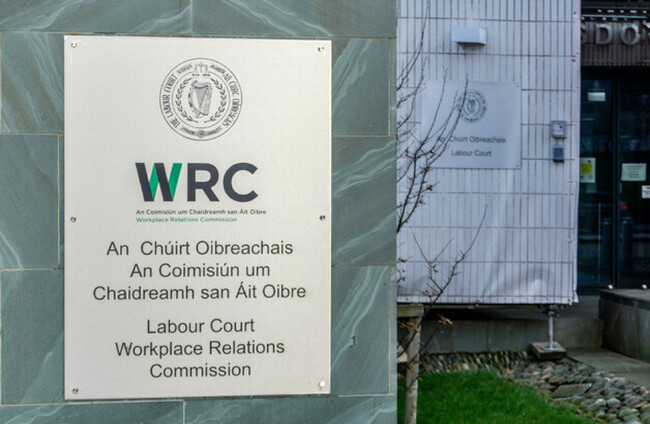
A RESIDENTIAL CARE manager who was placed on indefinite unpaid leave after refusing his employer’s demands to undergo drug testing has been awarded €40,000 in compensation for constructive dismissal and unlawful wage deductions.
The Workplace Relations Commission (WRC) found that the care home operator had fundamentally breached the worker’s contract and acted without reasonable cause by forcing him out of work based on unfounded suspicions of illicit drug addiction.
The worker had been employed by the company since September 2016, managing a residential care facility for minors on an annual gross salary of €65,352.
He had maintained an unblemished work record and enjoyed a good working relationship with the company director until November 2023.
An adjudication hearing was told that the director contacted him that month, stating that she had concerns about his health, and suggesting that he was suffering from depression, drug addiction, or malnutrition.
The manager explained that he had been suffering from low energy following a bout of Covid-19, family illness concerns, and a relationship breakup, but assured her that he had consulted his GP and was fit for work.
Despite his assurances, the director booked appointments for drug screening and insisted that he provide a hair sample for this purpose.
While the manager consented to medical examinations and offered to undergo blood and urine tests, he objected to hair follicle testing as disproportionate and inappropriate.
He attended the company doctor in December 2023 and provided a blood sample, but the doctor was directed by the employer not to release the results after the manager declined the hair test.
The director subsequently barred him from returning to work, stating in emails that she was “extremely concerned” about his ability to care for children. She claimed that the company was precluded from permitting him to return until full medical clearances were obtained.
She suggested he apply for illness benefit and offered to contribute towards rent or private addiction rehabilitation. The manager countered that he could not fraudulently claim social welfare sick pay because both his own GP and the company doctor had examined him and found him fit to work.
The worker had his wages stopped from 10 January 2024, leaving him on an undefined, unpaid leave of absence. Over the subsequent months, the employer maintained an unyielding stance, refusing to allow him back on shift or pay his wages unless he acquiesced to hair strand testing.
His solicitors engaged in extensive correspondence, challenging the unpaid suspension and noting that no formal disciplinary or investigation process had ever been initiated. Following months without pay, the manager resigned on 12 April 2024, citing constructive dismissal.
The company contended in written submissions to the WRC that it was acting within the terms of the employment contract and employee handbook. It argued that safeguarding vulnerable young people in state care created a strict imperative to ensure staff fitness.
It claimed that the manager’s refusal to undergo non-invasive hair testing justified withholding pay and barring him from work. It also suggested the worker had failed to formally exhaust internal grievance procedures before resigning.
In her decision, WRC adjudication officer Aideen Collard found that the director had convinced herself without foundation that the manager was misusing drugs based purely on his physical appearance and absenteeism.
Collard said nothing in the worker’s contract permitted a director to unilaterally specify the exact medical test required, noting that no medical practitioner had ever advised that a hair strand test was necessary.
She described the employer’s approach – which combined intrusive demands with “pseudo-compassionate” offers of rent assistance and rehabilitation while cutting off his income – as completely unreasonable.
Finding that the employer had committed fundamental repudiatory breaches of contract, Collard awarded €20,828 under the Unfair Dismissals Act 1977 for unfair constructive dismissal.
She also awarded €19,172 under the Payment of Wages Act 1991, comprising €16,328 in unlawfully withheld pay and €2,844 in statutory compensation, bringing the total award to €40,000.
To embed this post, copy the code below on your site















have your say