Sign in. It’s quick, free and it’s up to you.
An account is an optional way to support the work we do. Find out more.
Sign in. It’s quick, free and it’s up to you.
An account is an optional way to support the work we do. Find out more.
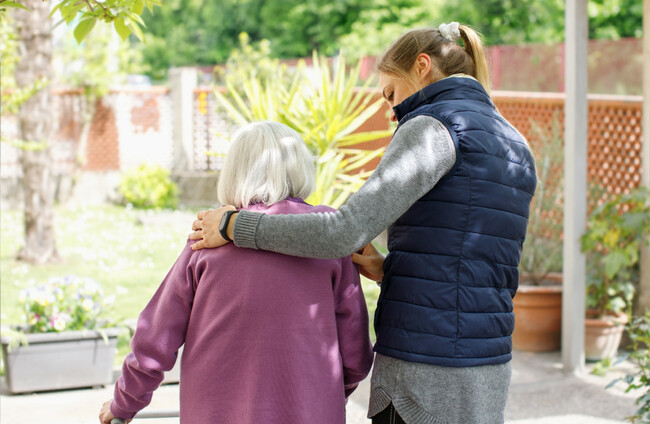
YOUNG CAREGIVERS RECEIVE poorer Leaving Certificate grades on average and are less likely to go on to higher education than their counterparts, according to new research.
The new report by the Economic & Social Research Institute (ESRI) draws upon data from the Growing Up in Ireland (GUI) longitudinal study, comparing young adult caregivers at 17 and 20 years of age.
The research shows that one-quarter of 17-year-olds are engaged in regular caregiving for a family member.
In the context of the report, care includes regular care provided to parents, grandparents, siblings and others, not just those with an illness or disability.
“Informal caregiving is an essential element of human society, but is often invisible,” co-author Dr Helen Russell said.
“This is especially true for care provided by young people. This study highlights the important role that care provided by young people for their siblings, grandparents and others plays in family lives,” Dr Russell said.
While one-quarter of 17-year-olds are engaged in regular caregiving, the proportion providing care falls to one-fifth by age 20.
The main care recipients are younger siblings (15% when the caregiver is aged 17) and grandparents/other older relatives (12% at age 17).
Over half of young caregivers provide care for multiple recipients.
In most cases, young people report that caregiving does not take very much of their time, with just 13% saying it takes up a lot or quite a lot of their time. Those looking after parents or grandparents spend more time on caregiving.
The report shows that those engaged in caregiving are a very diverse group.
Seventeen-year-olds from advantaged families were less likely to be involved in caregiving. However, income did not alter the likelihood of being a caregiver at the age of 20.
There are no significant gender differences at age 17 but at age 20, young men are more likely to be involved in caregiving than young women.
Those involved in caregiving at age 17 tend to receive lower Leaving Certificate grades than their counterparts not providing care, the report found. This is particularly the case if they are caring for multiple family members.
Lower grades as a result of caregiving have implications for progression to higher education, it was noted.
Young carers are less likely to make this transition and when they do, they are more constrained in their institution choices, placing a strong emphasis on being able to live at home during their studies, the report said.
The research found little evidence of a systematic relationship between caregiving and physical health or mental wellbeing. However, more intensive care involvement was related to higher rates of obesity and poorer self-reported health.
Having a mother with depression was linked to poorer wellbeing among young adults, regardless of whether they reported providing care to them or not.
Caring for siblings or parents was associated with more positive relationships with family members. However, fighting between mothers and young adults appeared to be related to caring for younger siblings.
The report noted that support for early years provision and a statutory home care scheme would likely benefit young adult carers as well as parents and care recipients.
Educational supports such as the School Completion Programme (SCP), if expanded to include carers as an explicit target group, have the potential to address the educational disadvantages revealed by the report findings, the ESRI said.
The SCP is a targeted programme of support for primary and post-primary children and young people who have been identified as potentially at risk of early school leaving or who are out of school and have no successfully transferred to an alternative learning site, such as Youthreach.
The ESRI added that expanding access to family-focused mental health services may be one way to draw attention to the situation of young adult children with parents struggling with depression.

To embed this post, copy the code below on your site














have your say