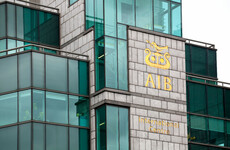
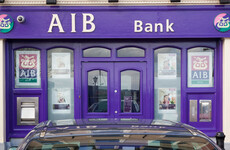
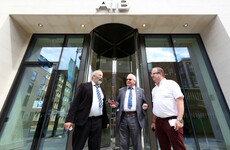
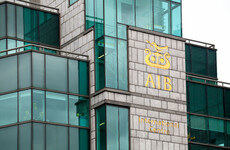
Allied Irish Banks. One of the 'Big Four' Irish commercial banks. In February 2009 the government included AIB in a €7 billion rescue plan and on the 30th of September 2010 the Government took a majority stake in the bank, meaning that it is now a nationalised bank.
The building was bought over a decade ago at a cost of almost €1.5 million by the taxpayer for use by the Probation and Welfare Service – but has lain empty ever since because the service declined to relocate there.
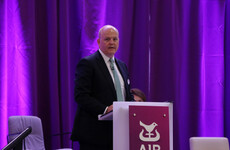
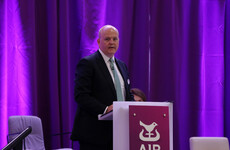
AIB’s chief executive David Duffy – who the report shows was paid €546,000 last year – said that assisting mortgage customers in difficulty would be a “major priority for this year”.
Buy-to-let borrowers signing the agreement are requested not to disclose any details of negotiations with the bank, including the fact that they are happening.
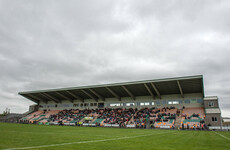
A place in the St Patrick’s Day club showpiece is on offer in Thurles today. Join us to see how it all unfolds between the club champions from Munster and Leinster.
All you need to know as Thurles Sarsfields, Kilcormac-Killoughey, St Thomas and Loughgiel Shamrocks bid tomorrow for a place in the St Patrick’s Day showpiece in Croke Park.
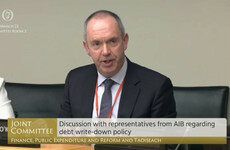
Four directors – including former Tánaiste Dick Spring – will be questioned by the Oireachtas Finance Committee on whether the bailed-out banks are acting in the public interest.
The Justice Minister has said that the personal insolvency bill will be enacted through both Oireachtas houses by 20 December and will become operative next year.
A DEEP DIVIDE has been revealed among the leaders at the G8 summit over how to deal with the ongoing conflict in Syria.
The US has indicated it wants to arm Syria’s rebels, while Russia remains in staunch opposition to the plan. Others, including Britain and France, are reluctant to make a decision just yet. However, President Francois Hollande asked:
How can you allow Russia to continue to send weapons to the regime of Bashar al-Assad while the opposition gets so few weapons?
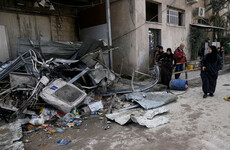
At least 93,000 people have been killed in the two-year civil war as rebels struggle to overtake Bashar Assad’s forces who are strengthened by support from Hezbollah, Iran and Russia.
On Sunday, Putin argued his position: “One hardly should back those who kill their enemies and, you know, eat their organs,” referencing a video purportedly showing a rebel commander committing an act of cannibalism. “Do we want to support these people? Do we want to supply arms to these people?”
Today we ask: Should international powers arm Syria’s rebels?