Sign in. It’s quick, free and it’s up to you.
An account is an optional way to support the work we do. Find out more.
Sign in. It’s quick, free and it’s up to you.
An account is an optional way to support the work we do. Find out more.
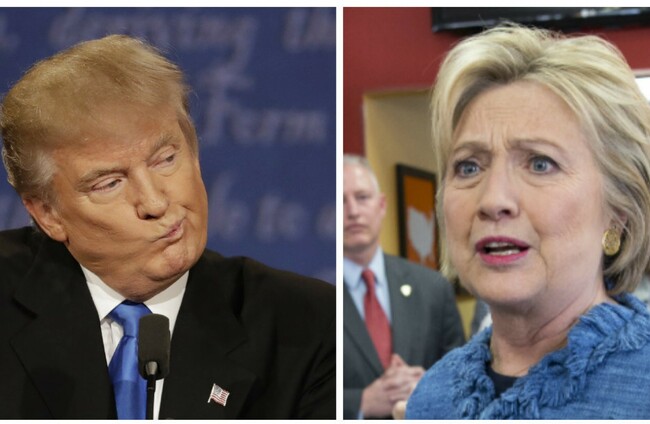

IN AUGUST 2011, Texas governor Rick Perry entered the Republican primaries in the race to be the party’s nominee for president. He was riding high, leading the field, polling at 29% – a full 11 points ahead of eventual nominee Mitt Romney. Then came a moment not even the best political commentators could have anticipated.
In a debate in November, when asked to list the three federal departments he planned, as President, to eliminate, he stumbled. “Commerce, Energy and …”. He blanked. Rick Perry’s fate was sealed. He dropped out of the race soon thereafter.
The recent history of American politics is littered with examples of such fatal debate mistakes. Democratic nominee Michael Dukakis gave a disastrously emotionless answer to a question about how he would react to the hypothetical rape and murder of his wife. President Gerald Ford claimed Soviet domination in eastern Europe didn’t exist, when, at the time, it inarguably did. Even in this election cycle, we’ve witnessed Senator Marco Rubio’s collapse into a repetitious circle of nonsense.
All the mistakes followed a common trend: they confirmed preconceptions or worries the public had about candidates. Dukakis reminded the electorate that he was logical to the point of appearing robotic, Gerald Ford that he wasn’t the smartest player on the pitch and Marco Rubio outed himself as an articulate lightweight.
Obama got away with it
Such gaffes are not always career-ending. Ronald Reagan once famously declared that trees cause pollution, while Barack Obama claimed that the US comprised 52 states towards the end of his 2008 campaign. If there was an underlying fear that Obama was an uneducated moron this could’ve been a different story. The electorate is forgiving, unless the candidate is cementing an underlying prejudice or violently undercutting a well-established strength.
None of these mattered much because they were not confirming a common suspicion. These weren’t the mistakes that people were anticipating.
This is why last week’s debate was a wash. Neither candidate committed any catastrophic error. They avoided feeding into pre-existing negative perceptions. The debate was entertaining and provided a week’s content for political blogs, anoraks, and social media sites. But it didn’t drastically affect polls, with all changes being around the margin for error. Trump went down a few points, Clinton’s support remained the same. Significant in the here and now, but nothing unfixable for either side.
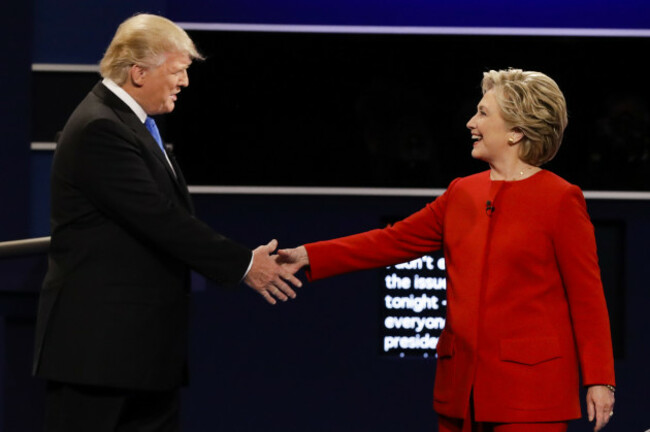
And so what the candidates need to focus on for tonight to actually impact the final result is how to force their competitor to make a mistake, utter a line, that will reinforce a dangerous preconception or worry that floating voters have, or that will undermine a keystone strength.
How Trump could best Clinton
Hillary Clinton, thus far, has stressed her experience and intimate knowledge of policy and legislation; she may not be likable, but she knows the pH levels of the water in Flint, Michigan. Based on this image of attention to detail, it would be catastrophic for her to be caught on the small print in a presidential debate, whereas a similar slip would have a negligible effect on Trump given his established policy detail-avoidance.
It would be smart and strategic of Trump in tonight’s debate then, to focus on a few niche policy areas, do his homework, push Clinton on specifics and give the floating voters a lasting image of Trump besting her in her area of expertise.
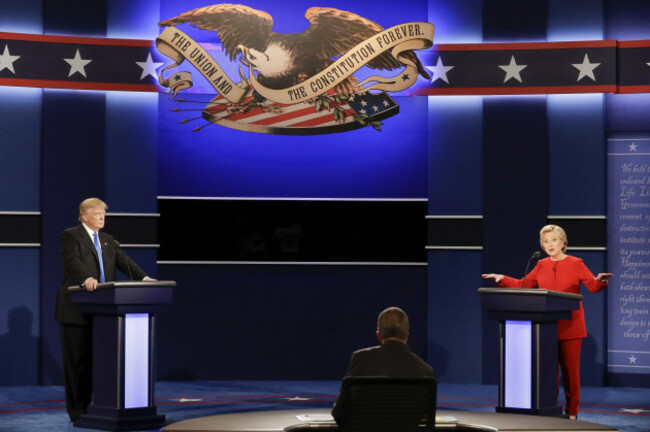
On the other hand, the general negative perception of Trump is that he may not have the temperament to be commander-in-chief. Towards the end of last week’s debate, he started to play into this perception but avoided any absolute confirmation, to his supporters anyway.
If he were to overtly overreact to comments from Clinton on, let’s say, his true net worth or business acumen, it could reinforce that image to floating voters.
These debates matter
Clinton will undoubtedly make constant reference to the recently leaked 1995 Trump tax receipt that seems to show Trump has paid no federal income tax since that year. She will likely stress the immorality of Trump’s nonpayment of tax, and how he has failed in his civic duty. Fair arguments all. But Trump-leaning voters have heard this message all week. They likely buy the line that this makes him smart, a “genius”, primarily because they are invested in this image. And more importantly, Trump is happy with this image and he won’t react to that line of attack.
His past behavior, however, would suggest that Clinton may have success antagonising Trump into an overreaction by suggesting the $1 billion dollar loss that led to this ability to right off that last 21 years of tax is an example of his incompetence as a businessman.
There are countless things that both candidates and their expansive teams need to do to excel in these debates. The impressive and succinct one-liners, the detailed research, the personal anecdotes and the post-debate spin and spending – all of these are vital. And the history of American elections will show that both sides will likely do them all well, and fight to a no-score draw. They could change the dial enough to sway the eventual result by identifying the opponent’s key weaknesses and forcing them to expose it themselves.
These debates can matter, although less than most media commentators like to admit.
A prominent slip can sink a campaign. Just ask Rick Perry, if he can take the time off from his current spot on Dancing with the Stars.
Lorcan Nyhan is a training consultant at The Communications Clinic.
To embed this post, copy the code below on your site













have your say