Sign in. It’s quick, free and it’s up to you.
An account is an optional way to support the work we do. Find out more.
Sign in. It’s quick, free and it’s up to you.
An account is an optional way to support the work we do. Find out more.
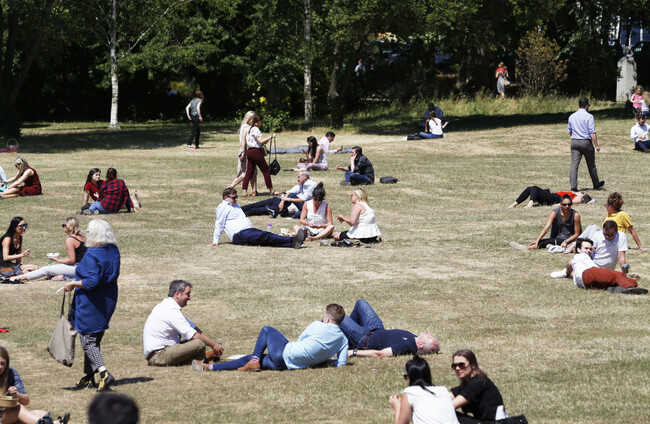
JULY WAS A scorcher and the driest on record, according to Met Éireann.
An average of 16mm of rain fell across the month, which is 17% of the 1991 to 2020 average.
The mean temperature was 17.25C, making it the second-hottest July since 1900.
It was also the third-hottest month overall, shortly behind August 1995, which saw average temperatures reach 17.75C.
Extreme heat events are becoming more frequent and more intense due to climate change, as a warming atmosphere increases the likelihood of prolonged hot spells and shifts in established weather patterns.
The sweltering temperatures have seen the whole country under a hosepipe ban since late July, with people and businesses urged to conserve water as Ireland’s water sources have been put under pressure with the prolonged spell of hot, dry weather.
Temperatures soared above 30C in many parts of Ireland over the summer as very little rain fell.
The summers are getting warmer, with five of the 10 warmest Julys occurring since 2001, Met Éireann said.
The average July temperature is 2.4C above the average for the 1960s to 1990s, while it is 1.87C above the 1991 to 2020 average.
By contrast, the coolest July on record was in 1922 with a mean temperature of 12.68C.
To embed this post, copy the code below on your site











have your say