Sign in. It’s quick, free and it’s up to you.
An account is an optional way to support the work we do. Find out more.
Sign in. It’s quick, free and it’s up to you.
An account is an optional way to support the work we do. Find out more.
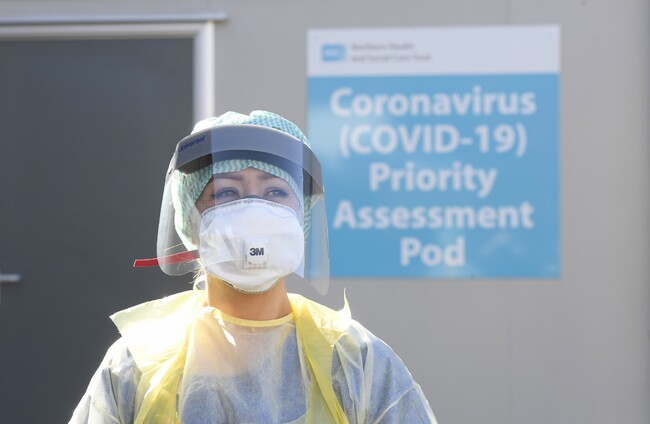
HEALTH OFFICIALS HAVE this evening confirmed there are three new cases of coronavirus in the Republic of Ireland, bringing the total to 24 here.
With 12 confirmed in the North, the total number of cases on the island of Ireland is now 36.
This afternoon, it emerged that all St Patrick’s Day parades in the country are to be cancelled.
Here are the main points you need to know about the situation in Ireland:
Here’s what you need to know from around the world:
Visitor restrictions
Strict visitor restrictions are in place at a number of hospitals around the country.
In the south, restrictions have been implemented in:
The Bon Secours Hospital in Cork, which is treating a patient with coronavirus, has a no visitor policy at the moment with exceptions only for critically ill patients and those with specific care needs.
‘Containment phase’
There is a “moderate to high risk” Ireland will follow the pattern of Covid-19 spread seen in other EU countries, Minister for Health Simon Harris said on RTÉ’s Morning Ireland.
“Ireland is at an early stage of progression here compared to other European countries,” Harris said.
Speaking to members of the press today, Harris said the best estimate for how high this risk could be is due “by the end of the week”.
Countries around the world have been cancelling events (like St Patrick’s Day parades here) and enforcing quarantines to try to prevent further spread of the disease.
A decision from the Cabinet sub-committee on the issue of sick pay for workers is also expected today.
It is feared that workers who do not have sick pay entitlements in their contracts, and who can’t afford a loss of income will not take time off from work and could spread the virus by working while sick.
Chief Medical Officer Dr Tony Holohan said yesterday evening that Ireland “remains in containment phase”.
The HSE said the risk of catching Covid-19 in Ireland is still low to moderate but this may change.
In TheJournal.ie’s Voices section this morning, we heard from Professor Sam McConkey who said the government could not take a hands-off approach to the developing coronavirus situation.
“How governments mobilise and respond now will determine its length and severity,” McConkey writes.
A hands-off, worry-about-it-later approach to containment is precisely how a disease spreads and takes hold. Once a certain critical mass of people is infected, a disease becomes uncontrollable, and treatment switches from preventative to curative. This places massive pressure on a country’s healthcare system and virtually every other part of its economy and society.
Symptoms and prevention
Covid-19 is spread through sneezes or cough droplets. It may take up to 14 days for symptoms to show.
The best ways to protect yourself and others from the virus are to wash hands properly and often, cover your mouth and nose with a tissue/your sleeve when coughing and sneezing, and put used tissues in a bin and wash your hands.
Symptoms of Covid-19 include:
Further resources:
With reporting by Garreth MacNamee

To embed this post, copy the code below on your site











have your say