Sign in. It’s quick, free and it’s up to you.
An account is an optional way to support the work we do. Find out more.
Sign in. It’s quick, free and it’s up to you.
An account is an optional way to support the work we do. Find out more.
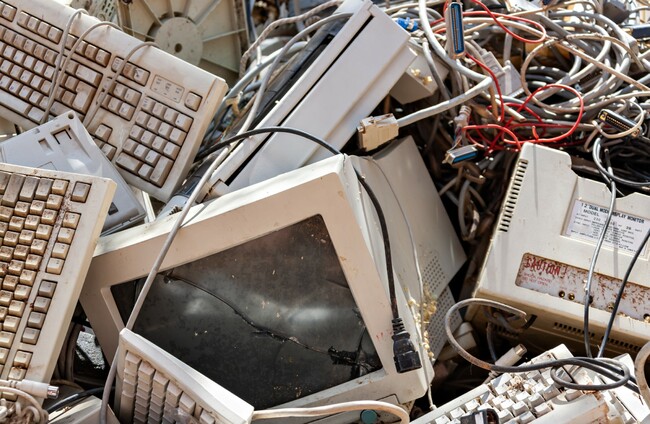
THE ENVIRONMENTAL PROTECTION Agency (EPA) has warned that Ireland does not have the facilities to deal with all of the hazardous waste generated across the country.
New figures from the agency show that 581,000 tonnes of hazardous waste were produced in Ireland in 2019, an increase of 55,000 tonnes (around 10%) on 2018.
The annual figure has been increasing since 2015, primarily driven by increases in incinerator ash and contaminated soils.
Hazardous waste includes ash produced by waste-to-energy facilities, contaminated soils and chemicals.
Households, farms and other businesses also produce hazardous wastes like batteries, electrical and electronic appliances, paints, solvents and medicines.
Industry and the construction sector were the largest generator of hazardous waste last year, with large quantities of incinerator ash (152,000 tonnes), contaminated soils from remediation of industrial sites (91,000 tonnes) and chemical residues (66,000 tonnes).
Infectious health care waste was the eleventh largest category of hazardous waste in 2019 at just over 12,000 tonnes, but the EPA warned that the Covid-19 pandemic would likely result in higher tonnages this year.
Around two thirds (65%) of the country’s hazardous waste was exported for treatment to other EU member states last year, with the Netherlands, Norway, Great Britain, Denmark, Germany, and France making up the the majority of destinations.
EPA Programme Manager Mary Frances Rochford said that although Ireland had made some progress in treating some hazardous waste types, the country still lagged behind in terms of becoming self-sufficient in the management of waste.
“The Covid-19 pandemic has shown the importance of adequate and resilient waste treatment capacity,” she said.
“This will be a key focus as the EPA prepares the next National Hazardous Waste Management Plan due to be published in 2021.”

To embed this post, copy the code below on your site














have your say