Sign in. It’s quick, free and it’s up to you.
An account is an optional way to support the work we do. Find out more.
Sign in. It’s quick, free and it’s up to you.
An account is an optional way to support the work we do. Find out more.
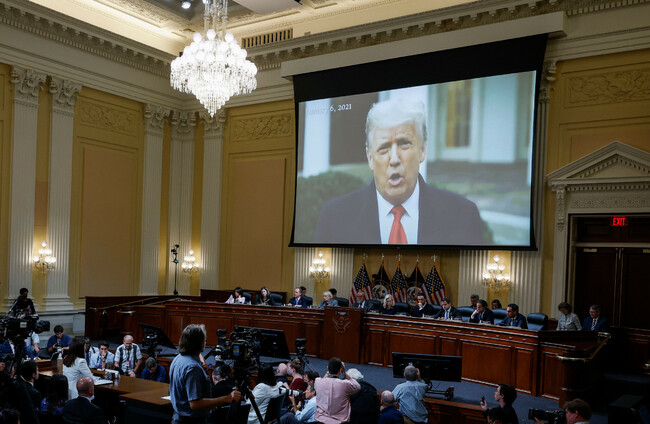
THE JANUARY 6TH hearings in US Congress reached a fever pitch this week following a testimony that then-president Donald Trump angrily lunged at his Secret Service driver and tried to take the wheel of his state car in a bid to join the Capitol riot on the day.
The assertion from a former aide was one of the most explosive testimonies that have come out of the dramatic hearings before the select committee to investigate last year’s insurrection.
But it was quickly disputed – by Trump himself, by his allies and even by the US Secret Service.
A source close to the Secret Service says both men dispute Trump grabbed the steering wheel or assaulted an agent. They do not deny that Trump was irate and demanded they drive to the Capitol. (2/2)
— Peter Alexander (@PeterAlexander)
The Secret Service issued a statement on Tuesday saying it was willing to respond “formally and on the record” to the claims, which came from Cassidy Hutchinson, a top aide to former White House Chief of Staff Mark Meadows.
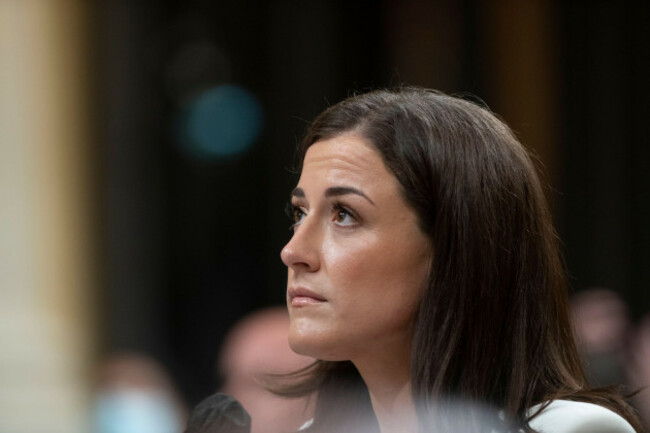
But Hutchinson’s testimony has bolstered the committee’s narrative of just how closely Trump was linked to the violence on 6 January.
The congressional panel has spent a year investigating the riot that temporarily halted the certifying of the presidential election result by Congress. It has now held six public hearings to outline its initial finding – that Trump led a criminal conspiracy to overturn his defeat to Joe Biden that led to the violence.
Here are some of the main things we’ve learned from the hearings.
In her opening statement, the committee’s vice chair Liz Cheney said that Trump had concocted a “sophisticated seven-point plan” to remain president, “despite the lawful outcome of the 2020 election and in violation of his Constitutional obligation to relinquish power.”
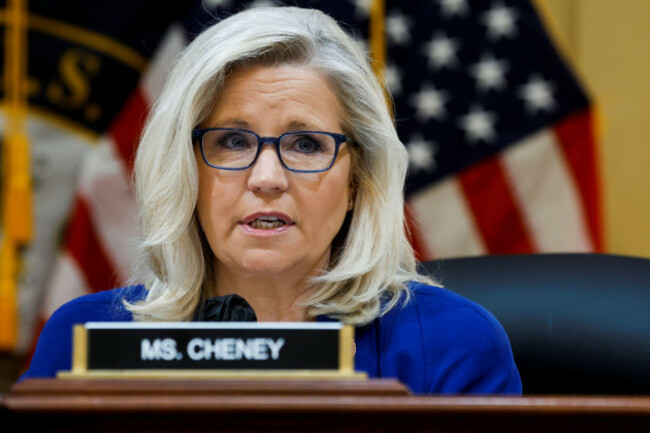
Cheney, a Republican, didn’t give the details of this plan at the hearing, but CNN later reported that it included a “massive effort” by Trump to spread false information to the public that the election was stolen from him.
The plan also included the creation of fake electors to submit false certifications of Trump victories to the National Archives, in the hope of having then-Vice President Mike Pence substitute them for the actual electoral votes that made Biden president.
Pence would be pressured to refuse to count certified electoral votes on 6 January – a routine exercise following a presidential election.
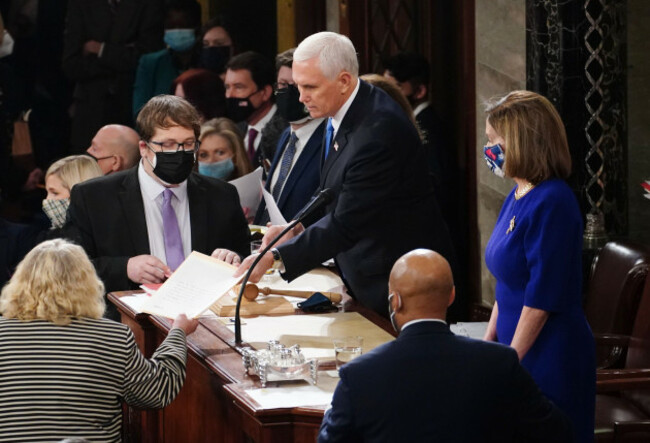
The plan also said Trump “summoned and assembled a violent mob” to march on the Capitol.
In essence, the events of 6 January, the committee argues, were the culmination of a carefully orchestrated campaign to keep Trump in office.
In piecing together the timeline of Trump’s movements on the day, the committee had to fill a gap in White House call logs, which went dark for five hours while his supporters mobbed the Capitol.
Committee interviews with aides suggest that Trump spent much of that time watching the riots on TV from the West Wing – “gleefully”, according to former White House press secretary Stephanie Grisham.
Former White House press secretary Stephanie Grisham told CNN that a group of former Trump administration officials plan to meet in the coming weeks to “try and stop” Trump as he continues to “manipulate people and divide our country.” https://t.co/tJBeFi0zKS pic.twitter.com/jJPV4Vuc8s
— New Day (@NewDay)
It’s alleged that Trump ignored pleas from at least 20 of his own supporters to stop the violence, including House Minority Leader Kevin McCarthy, Fox News pundit Laura Ingraham and his own son, Donald Trump Jr.
Hutchinson testified that even after telling rioters “go home. I love you, you’re special.”, Trump persisted in his support for the attack.
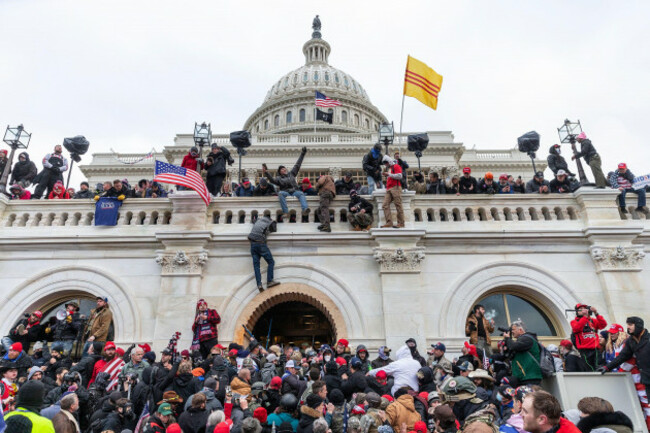
“He didn’t think they did anything wrong,” she said. “The person who did something wrong that day was Mike Pence.”
Congressional investigators and former aides testified earlier this month that former Vice President Mike Pence’s life was endangered by the mob whipped up by Trump.
The hearings detailed how Trump berated Pence for not going along with the scheme to prevent the certifying of Biden’s victory – a plot that both knew to be unlawful.
The defeated president used rally speeches and Twitter to exert intense pressure on his deputy to abuse his position as president of the Senate and reject the election results.
The berating continued on the day of the riot: During his “Stop the Steal” rally, Trump referenced Pence numerous times as he told his supporters to march on the Capitol and “fight like hell.”
The mob made a beeline for Pence for failing to cooperate as they stormed the Capitol, even erecting a gallows in front of the building.
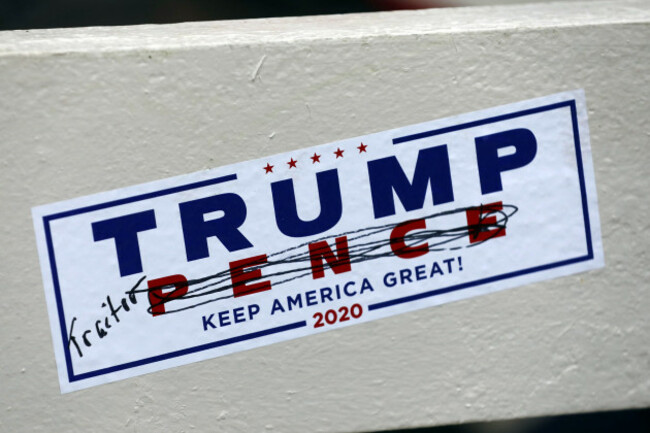
As Trump watched from the West Wing, the committee said, he even cheered on chants of “hang Mike Pence.”
Cheney said he remarked to his aides: “Maybe our supporters have the right idea.”
What happens now?
The committee has issued a subpoena to Trump’s White House counsel Pat Cipollone, a key witness to some of the former president’s most brash schemes to stay in office.
As we heard yesterday, WH counsel Pat Cippollone had significant concerns re. Trump’s Jan 6 activities. It’s time for Mr. Cippollone to testify on the record. Any concerns he has about the institutional interests of his prior office are outweighed by the need for his testimony.
— Rep. Liz Cheney (@RepLizCheney)
A final hearing in September is expected to reveal the committee’s finished report, outlining its findings and recommendations to prevent such attacks in the future.
Republicans, including House Minority Leader Kevin McCarthy, say the committee is partisan and “not conducting a legitimate investigation” – an argument that has been rejected by a Trump-appointed federal judge.
While the Justice Department is prosecuting more than 800 suspects for alleged lawbreaking at the Capitol, the committee itself has no powers to issue indictments.
A federal judge ruled in March that Trump more likely than not committed a crime in the run-up to 6 January.
The panel is expected to turn over evidence to federal prosecutors but has not announced whether it will recommend charges – a largely symbolic gesture.

To embed this post, copy the code below on your site












have your say