Sign in. It’s quick, free and it’s up to you.
An account is an optional way to support the work we do. Find out more.
Sign in. It’s quick, free and it’s up to you.
An account is an optional way to support the work we do. Find out more.
EVERY WEEK, WE bring you a round-up of the best longreads of the past seven days in Sitdown Sunday.
For the next few weeks, we’ll be bringing you an evening longread to enjoy. With the news cycle dominated by the coronavirus situation, we know it can be hard to take your mind off what’s happening.
So we want to bring you an interesting read every weekday evening to help transport you somewhere else.
We’ll be keeping an eye on new longreads and digging back into the archives for some classics.
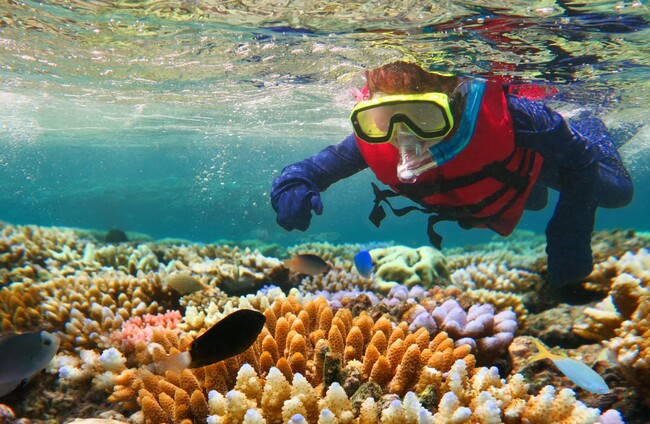
We think we know what’s going on with the Australian Great Barrier Reef, but as this article explains, there’s a lot more going on than just the impact of tourism.
(Afar, approx 15 mins reading time)
Eric Fisher has spent more than 15 years working in tourism on the Reef, most recently developing the marine science and education program GBR Biology with the adventure tourism company Experience Co. in Cairns. When I asked him about the negative effects of travelers on the Reef, I was expecting rightful complaints about litter and garbage, dropped anchors, and wayward divers’ fins. But Fisher did what the shark had done so many years ago: shifted my attention to something that was right in front of me.

To embed this post, copy the code below on your site












have your say