Sign in. It’s quick, free and it’s up to you.
An account is an optional way to support the work we do. Find out more.
Sign in. It’s quick, free and it’s up to you.
An account is an optional way to support the work we do. Find out more.
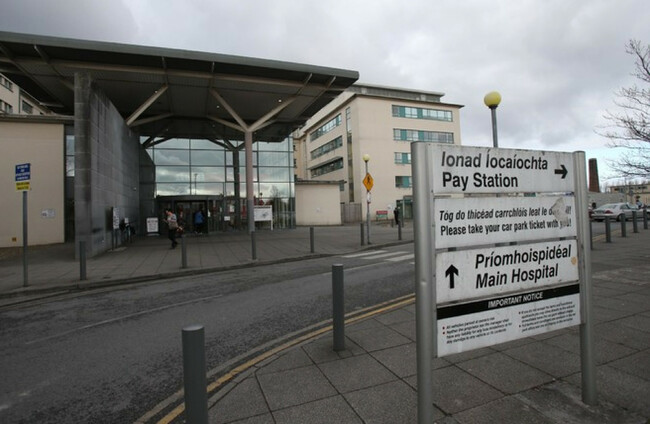
A REPORT FROM the Health Information and Quality Authority (HIQA) has criticised Emergency Department overcrowding at University Hospital Galway.
The HIQA report also found that there were long wait times for admitted patients in St Luke’s Hospital, Kilkenny, awaiting an inpatient bed.
HIQA has today published seven inspection reports on compliance with the National Standards for Safer Better Healthcare.
The standards are aimed at protecting patients and improving services.
The inspections were carried out in seven public acute hospitals and rehabilitation and community inpatient health services between December 2022 and March 2023.
The seven hospitals inspected were: Connolly Hospital, Blanchardstown; St. Luke’s Hospital, Kilkenny; Wexford General Hospital; University Hospital Galway; Mallow General Hospital, Cork; Roscommon University Hospital; and St. Camillus Hospital, Limerick.
Overall, HIQA found generally good levels of compliance in Connolly Hospital, Mallow General Hospital, Roscommon University Hospital and St. Camillus Hospital.
In these hospitals, HIQA inspectors said there were “formalised governance structures and monitoring systems in place to identify and act on opportunities to improve the quality and safety of services provided”.
However, partial compliance was found in the ED at St Luke’s Hospital, Kilkenny, while mixed levels of non-compliance were found in both Wexford General Hospital ED and University Hospital Galway ED.
Since HIQA’s previous inspection at University Hospital Galway, hospital management had implemented a range of measures to improve the flow of patients and increase surge capacity since the opening of the new temporary ED in October 2022.
However, the HIQA report said it was evident on the day of the unannounced inspection that the ED was “not functioning as effectively as it should be”.
The report stated: “The ED was overcrowded, had significant issues with patient flow, and was compromising the privacy, dignity and confidentiality of patients accommodated on trolleys and chairs.”
On the day of the inspection, 20 patients of the ED aged 75 and older were in the ED more than nine hours after registration.
The close proximity of patients on trolleys on the main ED corridor also meant “patients and staff could overhear patient-clinician conversations and personal information being exchanged between patients, medical and nursing staff”.
It also found that the hospital “did not have effective workforce arrangements in place to support and promote the delivery of high-quality, safe and reliable healthcare”.
The report stated: “There are notable deficits in the hospital’s approved and actual rostered complement of medical and nursing for the emergency department.
“The deficit of approved emergency medicine consultants needs to be addressed as a matter of urgency.”
In St. Luke’s Hospital, inspectors found that there were “systems and processes in place to identify, evaluate and manage risks to people attending the ED”.
However, it was noted that while “risks outlined to inspectors by staff during the inspection were escalated, they were not all recorded on the risk register in line with effective risk-management processes”.
Hospital management had also implemented a number of measures to support effective patient flow in the ED and wider hospital.
But these were not fully effective in managing long waiting times for triage and medical review, and long wait times by admitted patients in the ED awaiting an inpatient bed.
At 11am on the day of inspection, there were 35 people registered in the ED.
Fifteen were in the ED over nine hours and four of these patients were over 75 years of age.
There were no patients in the department over 24 hours. Twelve patients were admitted under the care of a specialist consultant and accommodated in the ED while awaiting an inpatient bed.
One patient who was accommodated on a trolley on the corridor for over 13 hours told HIQA inspectors: “The privacy is not great, but sure everyone knows the situation.”
In Wexford General Hospital, inspectors found that there were “formalised corporate and clinical governance arrangements were in place for assuring the delivery of high-quality, safe and reliable healthcare”.
However, the ED was described as “busy relative to its intended capacity on the day of inspection”.
Inspectors also observed that while patients in cubicles were afforded privacy and dignity, this was not the same for patients being cared for on trolleys and chairs in the open corridors of the department.
On the day of the inspection, eleven patients were receiving care while located on the main corridor and there were no privacy curtains in use for these patients.
However, staff were described as “kind, compassionate, empathetic”, “very busy”, and “doing their best”.
Three weeks following the inspection of Wexford General Hospital, a fire forced the evacuation and transfer of services, including the emergency department, from the hospital.
The emergency department is due re-open in the hospital tomorrow.
HIQA meanwhile said it continues to engage with the services that were found to have non-compliance to ensure compliance with the regulations.

To embed this post, copy the code below on your site








have your say