Sign in. It’s quick, free and it’s up to you.
An account is an optional way to support the work we do. Find out more.
Sign in. It’s quick, free and it’s up to you.
An account is an optional way to support the work we do. Find out more.

ALMOST TWO-THIRDS (65%) of architectural practices in Ireland have residential projects that are delayed or stalled, according to a new survey published by the Royal Institute of the Architects of Ireland (RIAI).
The online survey, conducted by Ipsos B&A between July and August 2026, received responses from 150 architectural practices across Ireland.
It found that 13% of practices reported that most or all of their residential housing pipeline was stalled.
Financial viability and construction costs were the biggest obstacles, cited by 38% and 36% of practices respectively as reasons for project delays.
Slow utility connections were also identified as a significant obstacle.
For larger architectural practices, planning appeals and judicial reviews are an additional concern, with half of respondents identifying them as a major factor contributing to delays.
Confidence in the private housing sector has fallen, with the net outlook for privately funded completions dropping 46% from +37 in 2025 to +20 in 2026.
Despite this decline, 28% of practices expect privately funded housing completions to increase over the coming year, while 8% anticipate a decrease.
The survey also showed that confidence in publicly funded housing has strengthened, rising from +14 to +19 year-on-year.
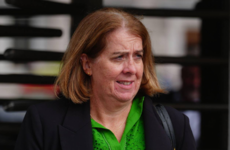
RIAI president Fionnuala May said the figures reveal “how much-needed homes are stalling very early in the delivery process”.
“The solution is to make the right decisions much earlier. We are calling on Government to introduce a ‘Stage Zero’ for public projects, settling briefing, feasibility and governance before procurement even begins,” she added.
She also called for 3D spatial planning, supported by digital city models and long-term plans spanning 25 to 50 years, to reduce delays and give investors greater certainty.
“Architects are ready to play their part in delivering the 300,000 homes Ireland needs by 2030 and help the country emerge from this housing crisis,” May said.
Despite the challenges, the RSAI noted that the wider outlook remains “cautiously optimistic”, with 42% of practices expecting work levels to increase over the next 12 months.
To embed this post, copy the code below on your site












have your say