Sign in. It’s quick, free and it’s up to you.
An account is an optional way to support the work we do. Find out more.
Sign in. It’s quick, free and it’s up to you.
An account is an optional way to support the work we do. Find out more.
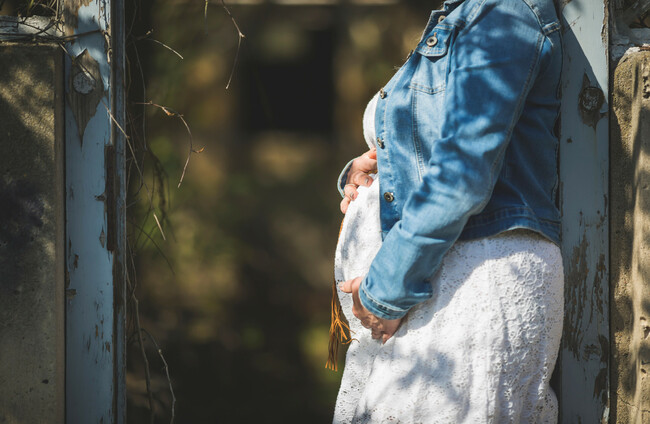
FOUR OUT OF five pregnant women in Ireland are iron deficient by their third trimester, according to a study published today by University College Cork.
Iron deficiency during pregnancy is linked to increased risks of complications for both the mother and the child, including neurodevelopmental challenges for the baby.
According to the researchers who contributed to the study, the findings raise concerns as the people studied were “a low-risk and generally healthy cohort”.
The authors did reference that taking supplments is helpful, noting that “iron-containing supplements (mainly multivitamins) taken pre/early pregnancy were associated with a reduced risk of iron deficiency throughout pregnancy, including the third trimester.”
This study was carried out by researchers at the Irish Centre for Maternal and Child Health and the School of Food and Nutritional Sciences in UCC in collaboration with the University of Minnesota and the Masonic Institute of the Developing Brain.
Led by UCC’s Dr Elaine McCarthy, the study was published in the American Journal of Clinical Nutrition.
The study analysed data collected from 641 women in Ireland who were carrying their first baby and had a successful delivery.
Blood samples were taken from the women throughout pregnancy, at 15, 20 and 33 weeks to determine their levels of iron.
The researchers found that in Cork, iron deficiency was “very common during pregnancy, despite the mothers being generally healthy.”
But despite these high rates of iron deficiency, none of the study participants were anaemic in the first trimester.
Lead researcher, Dr Elaine McCarthy of UCC said that iron deficiency is the most common micronutrient deficiency in the world, “but it has often been thought of as mainly a problem in low-resource settings (places with little or inadequate healthcare services)”.
“Our research clearly illustrates that iron deficiency is extremely common amongst pregnant women, even in a generally healthy population, such as this cohort in Ireland.”
Dr McCarthy emphasised the need for a shift in healthcare practices because routine screening for iron deficiency during pregnancy is not common practice.
“Our findings highlight the importance of screening to identify the women at the greatest risk of iron deficiency early in their pregnancy,” she said.
“In addition to this, we need to support and educate pregnant women around the importance of iron in their diets.”

To embed this post, copy the code below on your site













have your say