Sign in. It’s quick, free and it’s up to you.
An account is an optional way to support the work we do. Find out more.
Sign in. It’s quick, free and it’s up to you.
An account is an optional way to support the work we do. Find out more.
NEED TO CATCH up? The Journal brings you a round-up of today’s news.

#ISRAEL: Israel’s parliament has passed a bill that bans the United Nations agency for Palestinian refugees (UNRWA) from working in Israel and occupied east Jerusalem, despite objections from the United States.
#UK: British far-right activist Tommy Robinson has admitted committing contempt of court by repeating false allegations against a Syrian refugee, in breach of an injunction.
#LEBANON: Israel has launched fresh attacks on the Lebanese city of Tyre, after attacks earlier today killed seven people.
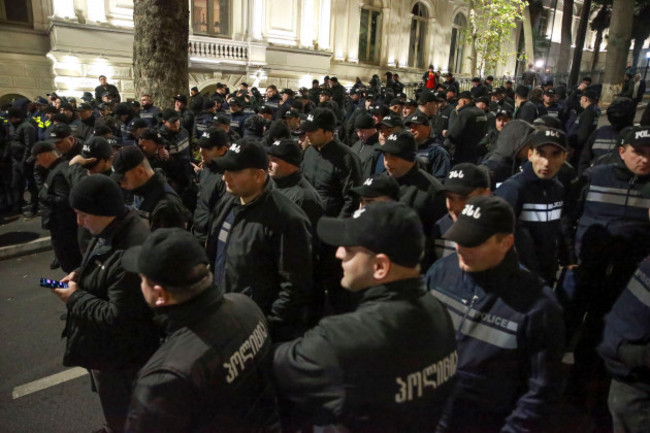
#GEORGIA: Georgia’s pro-EU president Salome Zurabishvili has alleged there was “sophisticated” voting fraud during the government’s parliamentary election victory over the weekend.
#MIKE AMESBURY: Video footage that appears to show Labour MP Mike Amesbury punching a man to the ground is “shocking”, Keir Starmer said as he defended Labour’s decision to suspend him.
FIFTY STATES WILL, obviously, decide the outcome of the US presidential election next week – but it’ll come down to seven in particular.
They are known by different names: battleground states, purple states or swing states.
Ultimately, they are states that could reasonably be won by either a Democratic or Republican candidate.
The Journal’s Órla Ryan asks the question: What exactly are swing states, and how could they decide the outcome of ‘knife-edge’ US race?

To embed this post, copy the code below on your site















have your say