Sign in. It’s quick, free and it’s up to you.
An account is an optional way to support the work we do. Find out more.
Sign in. It’s quick, free and it’s up to you.
An account is an optional way to support the work we do. Find out more.
NEED TO CATCH up? The Journal brings you a round-up of today’s news.

#GAZA: The National Union of Journalists has condemned Israel’s killing of journalists at a hospital in Gaza yesterday and demanded the country halt its “war on truth”
#EU TARIFFS: The European Commission asserted the “sovereign right” to regulate the activities of tech giants within the bloc and rejected claims by US President Donald Trump that its rules unfairly harm US firms
#UKRAINE: Ukraine acknowledged for the first time today that Russia’s army has entered the Dnipropetrovsk region, a central administrative area previously spared from intense fighting
#DRINKING WATER: More than two billion people worldwide still lack access to safely-managed drinking water, the United Nations said, warning that progress towards universal coverage is moving nowhere near quickly enough
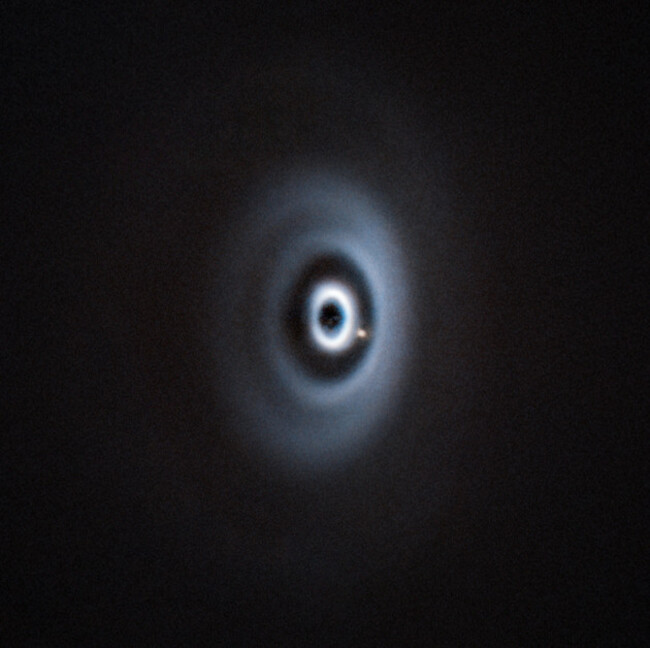
Astronomers at the University of Galway, working with an international team, have discovered a young planet named WISPIT 2b, about 5 million years old and 430 light years away.
Spotted with the European Southern Observatory’s Very Large Telescope in Chile, the gas giant is still glowing from its formation and offers rare insight into how planets form.
The research, published in Astrophysical Journal Letters, was co-led with Leiden University, with support from the University of Arizona.
Galway students played a key role in the breakthrough, describing the discovery as both surreal and career-defining.

To embed this post, copy the code below on your site














have your say