Sign in. It’s quick, free and it’s up to you.
An account is an optional way to support the work we do. Find out more.
Sign in. It’s quick, free and it’s up to you.
An account is an optional way to support the work we do. Find out more.
LAST UPDATE | 8 mins ago
THE TAOISEACH HAS welcomed the passing of a law in the UK that will protect mother and baby homes survivors based there from facing income tax or losing access to means tested benefits when accessing the redress scheme.
Micheál Martin said that the protections given under Philomena’s law were agreed to at the UK-Ireland summit in Cork earlier this year.
“I’m delighted to see the commitment is now delivered. I would like to thank the UK Government for their cooperation and commitment to ensuring that these survivors can avail of the scheme without barriers,” he added.
Minister for Children Norma Foley said that she was concerned that those living in the UK who are eligible for the redress scheme were facing reduced benefits if they accepted a payment.
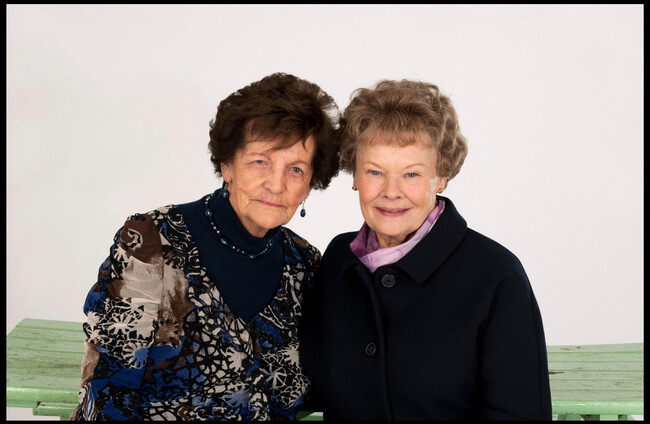
“This new law, named after survivor and campaigner Philomena Lee, has removed that barrier,” she said.
A spokesperson from her department said that since an information campaign was launched in the UK and Ireland this autumn, over 520 additional applications have been received.
“This represents an increase of 62% compared with the number of applications received during the first six weeks of 2026,” the spokesperson added.
Applications from the UK have also increased by almost 60% since the campaign started, according to the department.
“I am heartened to see the increase in these applications. I want everyone who is eligible for the Scheme to know about it and to have access to the information they need to apply,” Foley added.
Applications to the scheme can be made online or by post. More information is available online at the website, or through the phone line: 1800 843 354 for those in Ireland, and +353 1 522 9992 for those outside of Ireland.
There have been complaints about the low uptake for the scheme overall.
Patricia Carey, Special Advocate for Survivors, has described the scheme as “exclusionary, poorly advertised, and re-traumatising”.
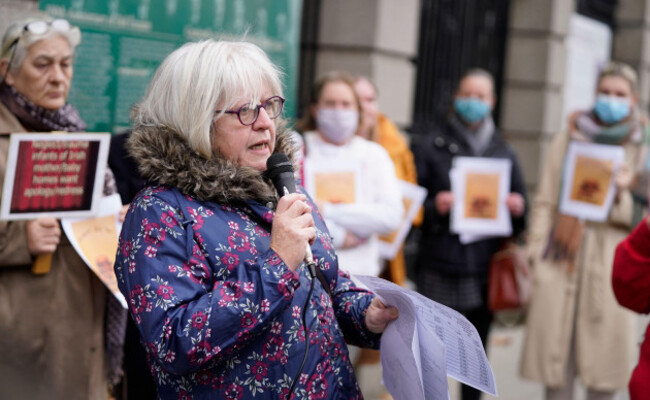
She made the comments in February of this year, when at that time, less than 10% of the redress budget for the scheme had been spent nearly two years after it was opened.
Between March and December 2024 (the first months of the scheme being opened) there were 5,997 applications. Notably, 41% of these were made via post rather than online.
Only 3,475 of these applicants accepted an offer and were paid.
The most common age brackets for applicants were 61-70, 71-80, and 51-60, in that order.
Those who are eligible for the scheme include any woman who resided in a listed mother and baby or county home institution for at least one night for reasons related to her pregnancy, the birth of a child or the care of a child, and any children who resided in a listed institution for a total of 180 days or more.
Mothers who performed unpaid commercial work for more than 90 days in a listed institution can be eligible for an additional work-related payment.
If an eligible person died on or after 13 January 2021, their personal representative can apply on behalf of their estate.

To embed this post, copy the code below on your site














have your say