Sign in. It’s quick, free and it’s up to you.
An account is an optional way to support the work we do. Find out more.
Sign in. It’s quick, free and it’s up to you.
An account is an optional way to support the work we do. Find out more.
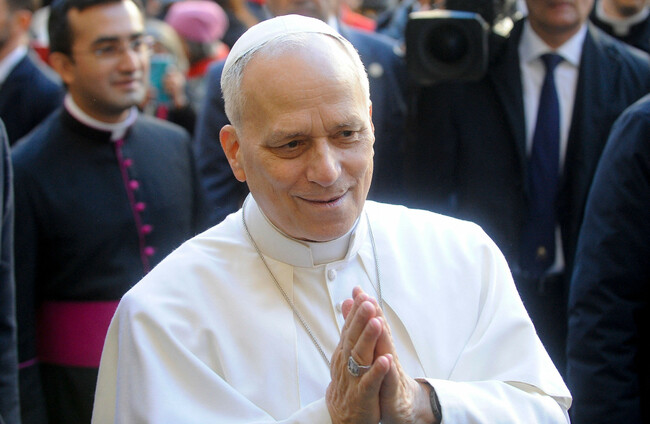
POPE LEO XIV has asked priests not to use artificial intelligence (AI) to prepare homilies.
The Pope made the recommendations at a private question and answer session with priests of the Diocese of Rome last Thursday.
The Vatican News reported that the Pope encouraged priests to use their brain to create a homily – which is a brief reflection delivered after the Gospel reading where a priest breaks down the words of the readings and applies them to daily life.
“Like all the muscles in the body, if we do not use them, if we do not move them, they die. The brain needs to be used, so our intelligence must also be exercised a little so as not to lose this capacity,” he said.
Pope Leo XIV said AI will never be able to “share faith” – something he said is an essential part of giving a true homily.
“If we can offer a service that is inculturated in the place, in the parish where we are working, people want to see your faith, your experience of having known and loved Jesus Christ.”
The advice was given after a priest asked the Pope how to be effective in his work in a postmodern culture. While answering, Pope Leo XIV emphasised the importance of knowing the reality of the community where a priest is working.
The Archbishop of Armagh Eamon Martin previously welcomed another call from the Pope for ethical responsibility in the development and use of AI.
“Pope Leo’s appeal for responsibility, cooperation and education could not be more urgent.”
“Technology must always serve the human person, not replace or diminish them. We must ensure that these powerful tools promote truth, inclusion, and the common good, rather than contributing to manipulation, polarisation or isolation.”
He emphasised the importance of communication in person: “Real communication is always personal. It is not simply the exchange of information, but an encounter between people. Our voices reveal who we truly are – each of us known, loved, and called into relationship,” he said.

To embed this post, copy the code below on your site













have your say