Sign in. It’s quick, free and it’s up to you.
An account is an optional way to support the work we do. Find out more.
Sign in. It’s quick, free and it’s up to you.
An account is an optional way to support the work we do. Find out more.
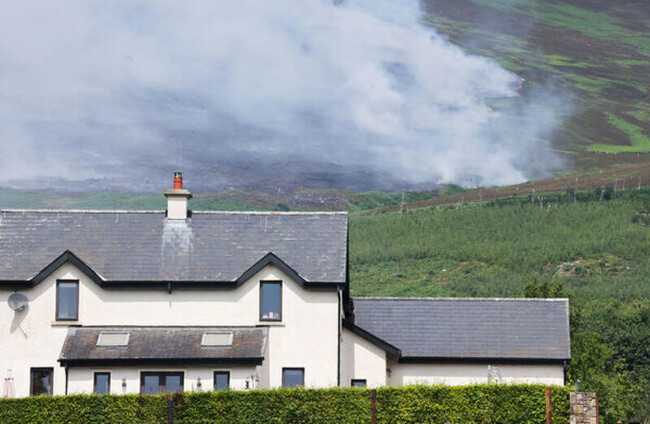

IT MIGHT SEEM strange discussing extreme heat while the country is in the grip of torrential downpours, but this summer’s drought across Europe has left the continent reeling. In Ireland, we have seen wildfires, fodder shortages, stressed animals and impacted yields for vegetable growers.
Other countries saw horrendous forest fires, power restrictions and transport disruption from low river levels. Even with welcome rain in the last week, the effects will be long-lasting.
The last major drought was in 2018, while 2020 saw a ‘prolonged dry period’ (in the words of Met Éireann). The next is surely not far off given the rapidly deteriorating climate situation.
Even the hardest climate-deniers would now be hard-pressed not to accept that we have reached a tipping point, with climate scientists saying that we are closer to a “point of no return”. And if we don’t truly prepare for what’s coming, we’ll be on the back foot long-term.
It’s almost easy for a government to respond to say, flooding and mass power outages, in the wake of a storm like Éowyn early this year, then turn the page and hope that the summer brings reprieve.
Equally, in record high temperatures such as this summer, which bring drought conditions, moving swiftly into winter can turn public attention away from those challenges.
But this approach to the extremes of climate change is no longer workable. It’s time we thought of the future and planned accordingly. It’s not too late if we move now.
So, as a country, what are the top 10 things that we should be doing to prepare?
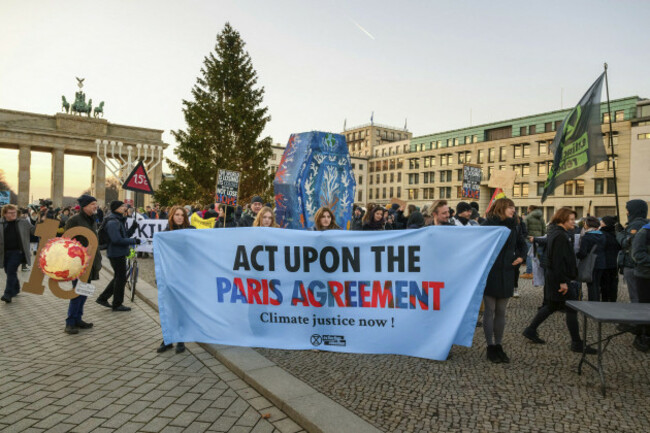
The most important thing is to meet our climate commitments. Most countries, like Ireland, see themselves as small and insignificant in the larger picture, but collectively the issue can only be addressed by every country meeting their promises under the Paris Climate Agreement.
The Irish government often says it wants to show leadership, but that can only be done when we get our own house in order. We need to get our emissions down and fast.
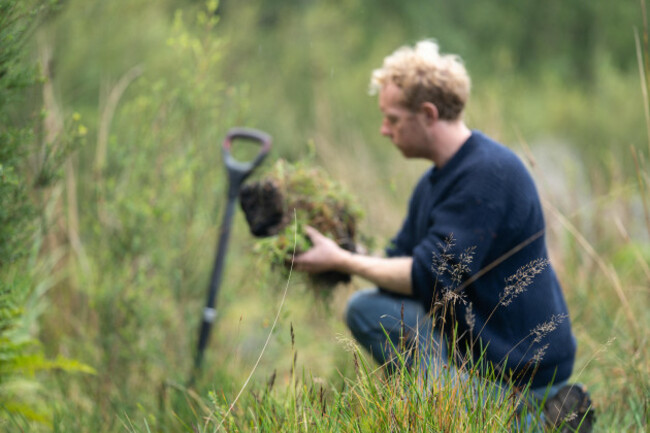
Not unrelated is the need to restore nature. Recently, a report from the UK government said that the risk of widespread ecosystem collapse was a threat to national security and likely to precipitate conflict, food shortages and the spread of disease.
For Ireland, this means supporting poor countries in protecting their forests and wetlands (something, in fairness, we are already doing) but also rebuilding our own collapsed ecosystems.
We now have an EU-wide Nature Restoration Law, and our National Restoration Plan is due to be submitted shortly. The government must now pony up the money to implement it. This figure needs to be in the billions of euros if it is to see results.
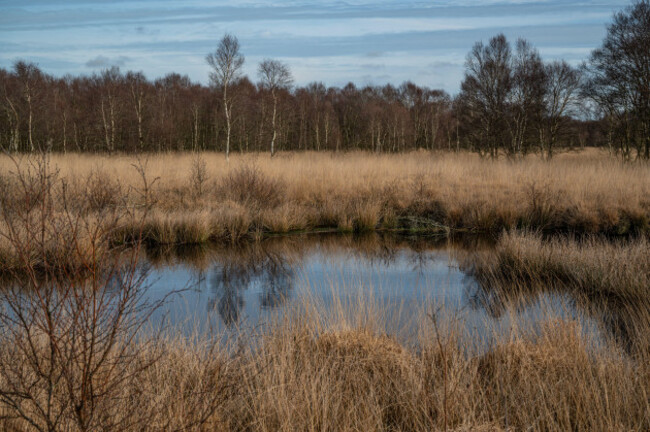
Block all the drains! Drained bogs, drained farmland, drained rivers – a lot of effort has gone into drying out the land to grow grass or Sitka spruce.
This means the land has little resilience to drought, rapidly lowering water tables and resulting in fires and yellow fields. Undoing all of this drainage will hold and store precious water when it is most needed.
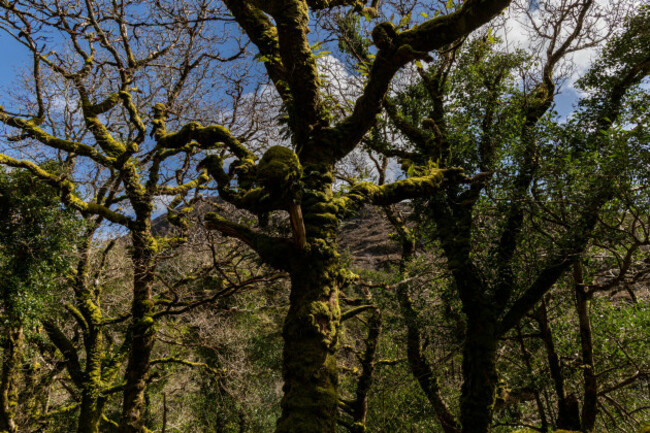
Reforest the uplands. Native forests are critical in regulating water. Their deep roots allow water to percolate through the soil, their canopy of leaves in the summer reduce temperatures on the ground and maintain moisture even during drought.
We need more trees and forests in many places, but the uplands are an obvious place to start due to their area and as the starting place for our rivers.
Farmers are currently denied grants for upland forests, and this could be changed at the stroke of a pen.
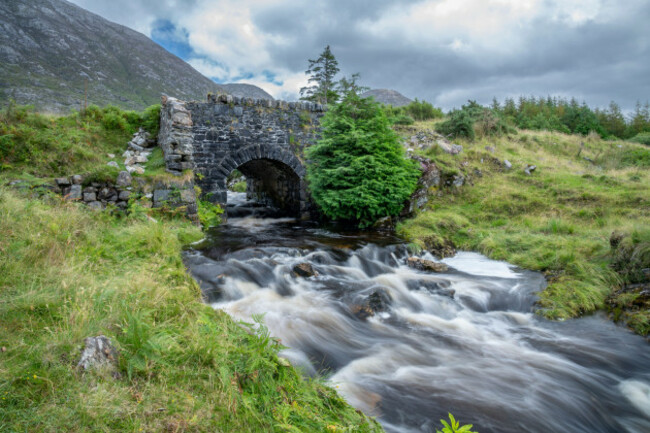
Repeal the Arterial Drainage Act. A lot of our rivers have been artificially straightened and deepened under this post-World War II law, the purpose of which was to create more farmland.
The Act requires the Office of Public Works to continuously ‘maintain’ the rivers, perpetuating ecosystem destruction. Restoring natural river dynamics with adjacent swamp forests, wetlands and floodplains means water is kept on the land for longer.
Although repealing the Arterial Drainage Act is part of our Water Plan from 2024 and was a recommendation of the Citizens’ Assembly, no progress has been made under the current government.
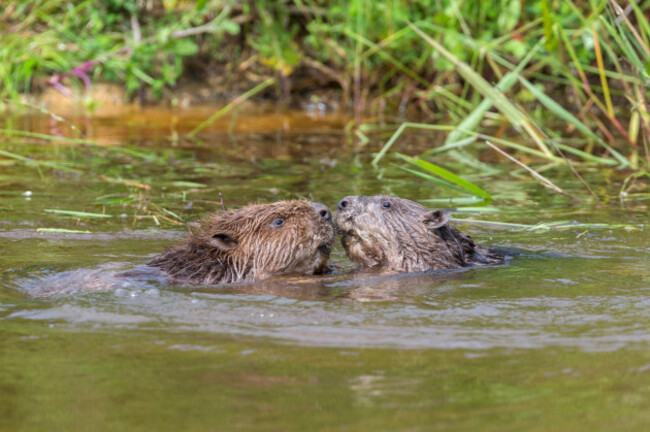
Introduce beavers. Although there is no evidence that beavers were ever in Ireland in the past, their recovery across Europe, including Britain, is showing the amazing work they do in keeping water on the land.
In doing so, they reduce pollution, massively boost wildlife habitat and create drought-resistant ponds, all at very low cost. At the very least, we need to be carrying out feasibility studies to weigh the pros and cons.
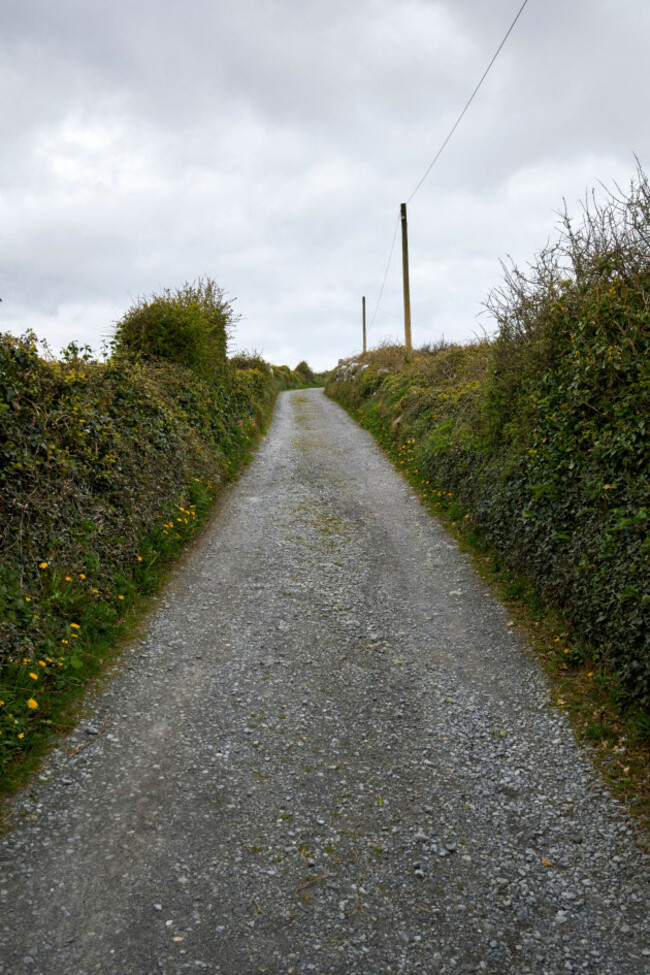
Better incentivise the management of hedgerows. Mature hedgerows bring shade to hot fields and so reduce evaporation, while allowing water to infiltrate into the soil.
Despite their enormous benefits, hedgerows have very little protection in this country. Under current rules, up to 500m of hedge can be removed without any assessment or permission.
This threshold is way too high. Hedgerows are protected from being cut during the bird nesting season, but many then go on to be butchered into lines of sticks in the autumn. We need measures to reward farmers for better managing their hedges.
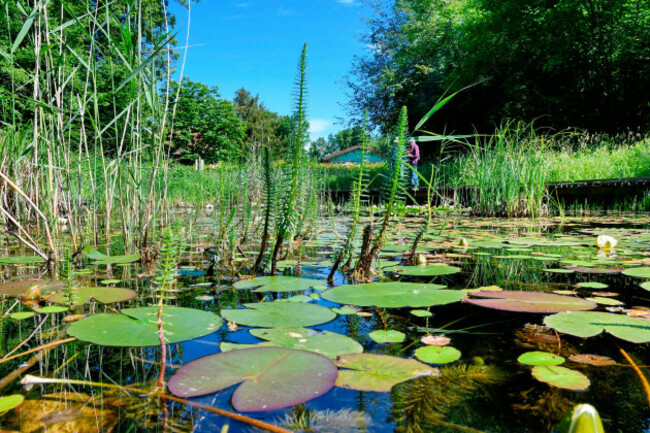
Ponds everywhere. Ponds are great for wildlife and store water, thereby promoting drought resilience.
While lining ponds with heavy plastic is not ideal, many ponds can be dug in naturally wet places where they will provide wildlife habitat and help protect water quality while connecting to the surrounding soil and vegetation.
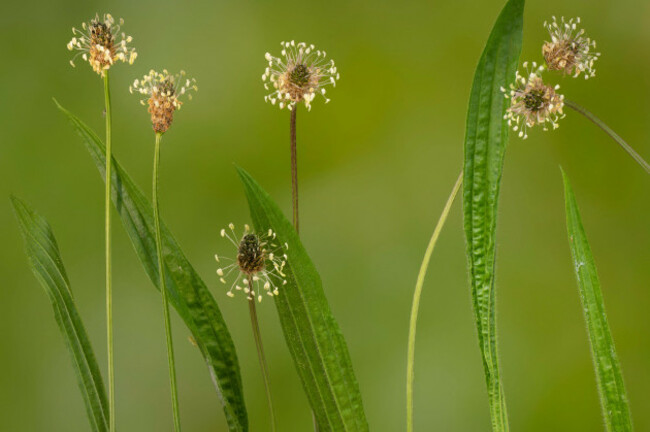
Move away from monoculture grassland. Farmers that have been cultivating pastures with ‘multi-species’ know that they are much more resistant to drought than monocultures of closely cropped rye grass.
Common, native Irish species such as the ribwort plantain has roots that can stretch to over half a metre in depth compared to a couple of centimetres for rye grass, thereby accessing stores of moisture in the soil.
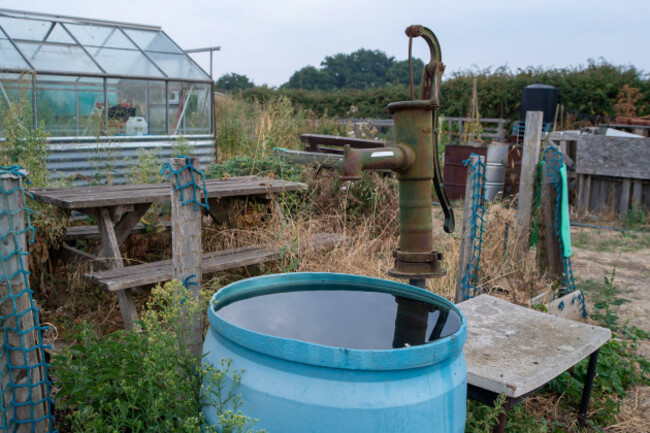
Better regulate abstraction of water. Taking water from wells, rivers or lakes is currently weakly regulated. According to the Sustainable Water Network, “we have no idea how much of our water resources are being used, where water is being extracted from and for what purpose”.
Thresholds for licensing or even registering an abstraction are too low, meaning at times of drought, huge quantities of water can be taken from the environment without any oversight.
After the 2018 and 2020 droughts, life went back to normal. 2026 is set to smash through a range of climate-related records with yet another drought. Our sense of normal is shifting, as quickly as the planet is heating up. If 2026 has done anything so far, it has been a stark reminder that climate change is real, and governments can no longer afford to ignore it.
For too long, we have tried to get on with business as usual. We can no longer afford to be so complacent. The wolf is at the door, but it’s not too late to get our house in order.
Pádraic Fogarty is an environmental campaigner.
To embed this post, copy the code below on your site
















have your say