Sign in. It’s quick, free and it’s up to you.
An account is an optional way to support the work we do. Find out more.
Sign in. It’s quick, free and it’s up to you.
An account is an optional way to support the work we do. Find out more.

LAST UPDATE | 15 Jan
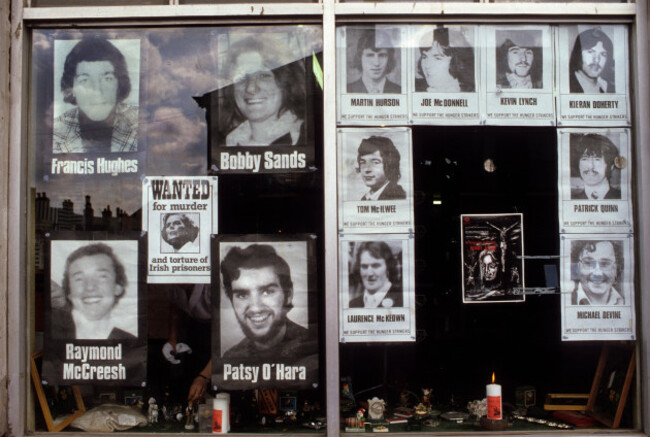
FORTY-FIVE YEARS ago this year, ten Irish Republican prisoners died on hunger strike in the H-Blocks of Long Kesh prison in the north of Ireland. I knew them all.
They were friends and comrades with whom I had spent years on protest. I too, participated in the hunger strike, surviving 70 days, then remained in the prison for a further 11 years before my release on licence in 1992.
When most people recall the 1981 hunger strike, it’s often the intransigence of Margaret Thatcher, then British Prime Minister, who refused to concede to our demands, that they focus on.
However, it was not Margaret Thatcher nor the Conservative Party that introduced the policy of ‘criminalisation’ (1 March 1976) that ultimately led to the 1981 hunger strike, but the Labour Party under Harold Wilson.
That policy aimed to classify us, the latest generation of Irish people involved in a centuries-old anti-colonial struggle, as merely criminals. The policy was not introduced on its own, however.
Simultaneously, increased powers of arrest, new interrogation centres and extended periods of interrogation without access to a solicitor, and the removal of jury trials also came into play.
And, with this new raft of legislation (all part of a major counter-insurgency project), a whole new lexicon was introduced to the airwaves: ‘gangsters’, ‘Godfathers, ‘Mafia-style shootouts’, ‘tit-for-tat shootings’, etc.
These became the terms heard regularly in news bulletins as the British government attempted to portray our struggle, and us, as criminals and they as the honest, ‘neutral broker’.
All of that failed, of course. The contradictions were too stark. The fact that those arrested before 1 March 1976 still retained the classification of ‘special category prisoners’, and remained in the same prison as us, just a few hundred yards away, was difficult to explain to a world media.
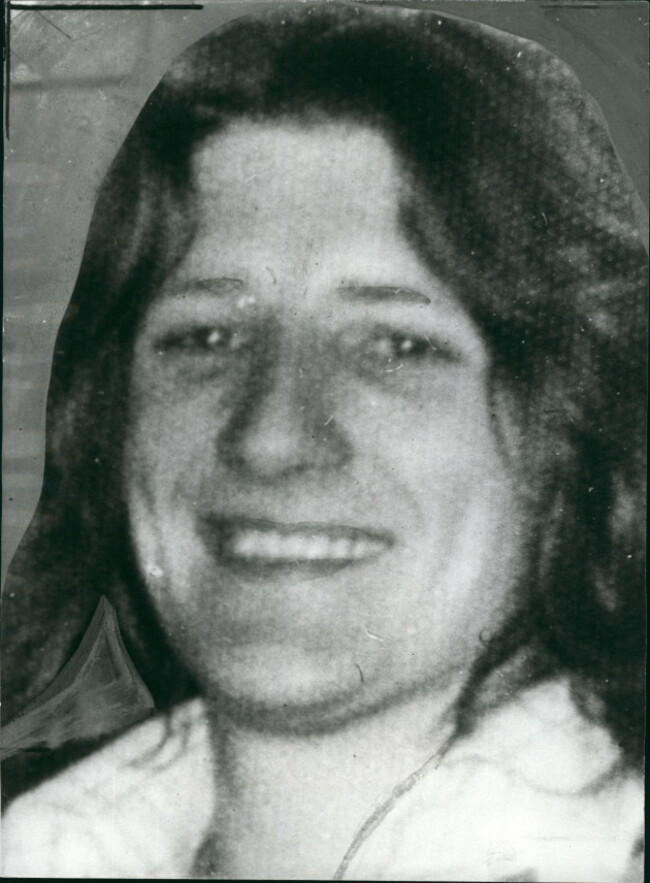
That situation became even more absurd when one of those supposed ‘criminals’, Bobby Sands, was elected a Member of the British Parliament for the Fermanagh and South Tyrone constituency on 9 April 1981, when he was 41 days into his hunger strike.
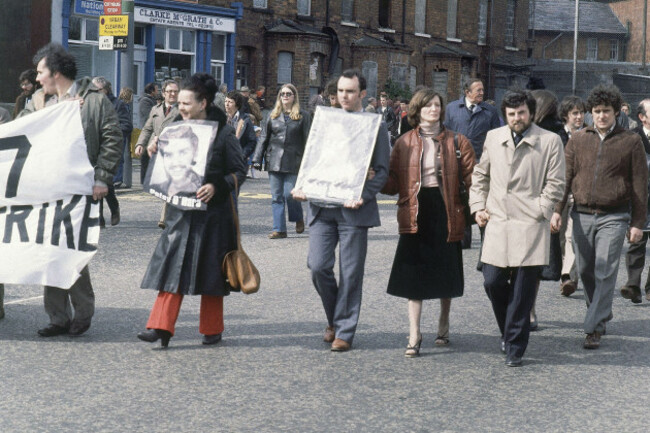
By the time that hunger strike came about, the Labour Party had been replaced in government by the Conservatives. However, Don Concannon, the Labour Party’s Shadow Secretary of State for Northern Ireland at the time, nevertheless felt compelled to visit Bobby in his prison hospital cell, not to congratulate him on his victory, of course, but to personally tell him that the Labour Party fully supported Margaret Thatcher and the Conservative government in their denial of our demands.
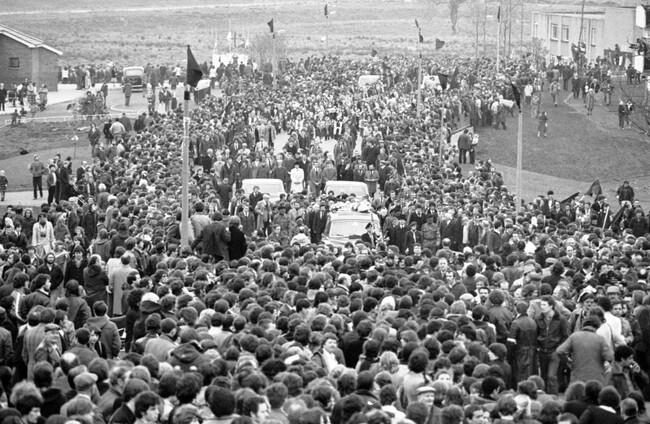
Ironically, that visit took place on 1 May, International Workers’ Day, a day meant to celebrate and remember workers’ achievements and struggles. Four days later, Bobby died after 66 days on hunger strike. His funeral was the largest ever seen in Ireland since the era of the 1916 Easter Rising. It attracted worldwide attention. His name is now known around the world; I doubt that Don Concannon’s is.
Today, Keir Stammer and his government seek to deal with justifiable public protest against genocide in the same manner as his former colleagues wished to deal with legitimate demands for civil rights, justice and equality in the north of Ireland.
Demonise them, then legislate against those involved in them. Starmer appears to seek to be regarded as being as tough on those on hunger strike in English prisons as his former colleagues were on us back in the 1970s.
Representatives for the three remaining hunger strikers in the UK this week announced that after 73 days, they had ended their hunger strikes following the withdrawal of a lucrative government contract to Elbit Systems.
Elbit Systems is an Israeli international military technology company and defence contractor.
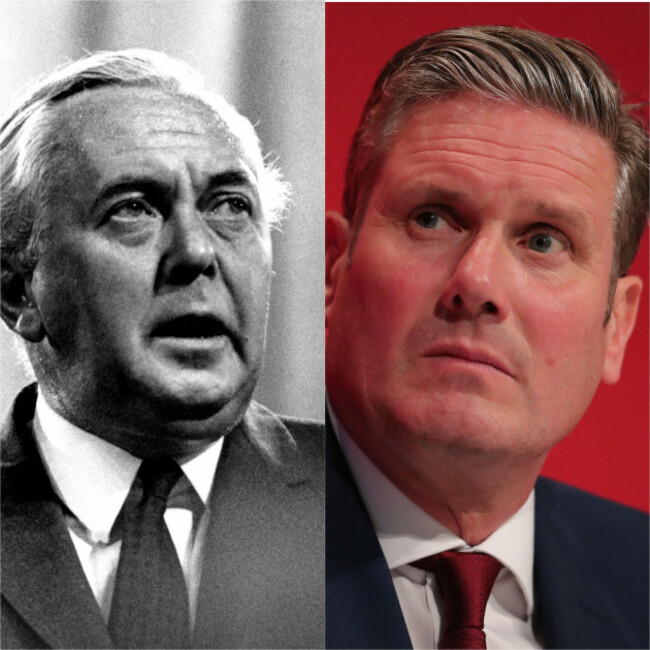
Starmer has openly supported Zionism in the past, while his chancellor, Rachel Reeves, recently called herself an “unapologetic Zionist”. The actions of their government in facilitating the genocide by Israel — still ongoing at present — clearly demonstrate so.
That support goes far beyond the supply of components for the daily functioning of the Israeli war machine. It includes the deliberate distortion/censorship of what is ongoing in Gaza and the West Bank. Eventually, that political position led to his government’s decision to proscribe the group Palestine Action as a ‘terrorist’ organisation – the first time in Britain, I believe, that what is essentially a direct-action protest group has been proscribed as such.
And yet, many affiliated to the British Labour Party have a noble history of participating in ‘direct action’ when campaigning against injustice and oppression. Peter Hain, now a Labour peer, led direct action protests against apartheid that disrupted South African rugby and cricket tours.
Peter Tatchell, a former Labour candidate, attempted to carry out a citizen’s arrest of Zimbabwean President Robert Mugabe in 1999 and in 2001, and ambushed Tony Blair’s motorcade in 2003 to protest the Iraq War.
Claudia Webbe, a former Labour MP, frequently advocated for “non-violent civil disobedience” and supported mass demonstrations, including the 2020 Black Lives Matter protests, and many others, including, not least, former Party Leader, Jeremy Corbyn.
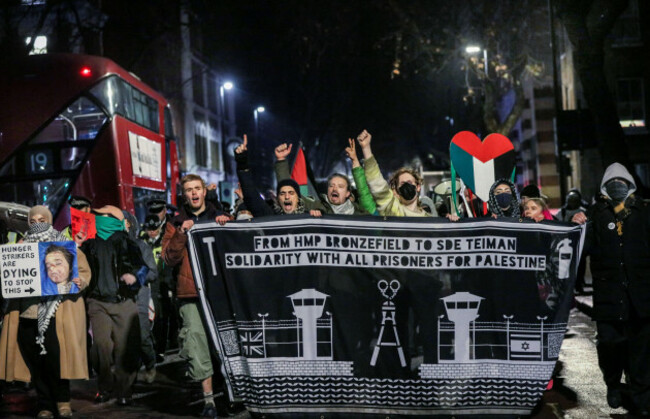
It’s not that those protesting injustice, oppression, and in this case, genocide, have overnight become terrorists, but that the British government, for political reasons, wants to depict their actions as such – just as they did here in Ireland.
The result of the latter led to the continuation of conflict and the loss of many more lives before the British government (under Tony Blair) had to come to terms with the political realities of the conflict and their (government’s) role in it. The Good Friday Agreement (1998) and the subsequent release of all political prisoners resulted from that. Recent history, and yet the lessons were somehow lost on Keir Starmer and his government.
Meanwhile, young women and men, driven by a righteous sense of injustice and empathy for others, came dangerously close to death in prison cells in England.
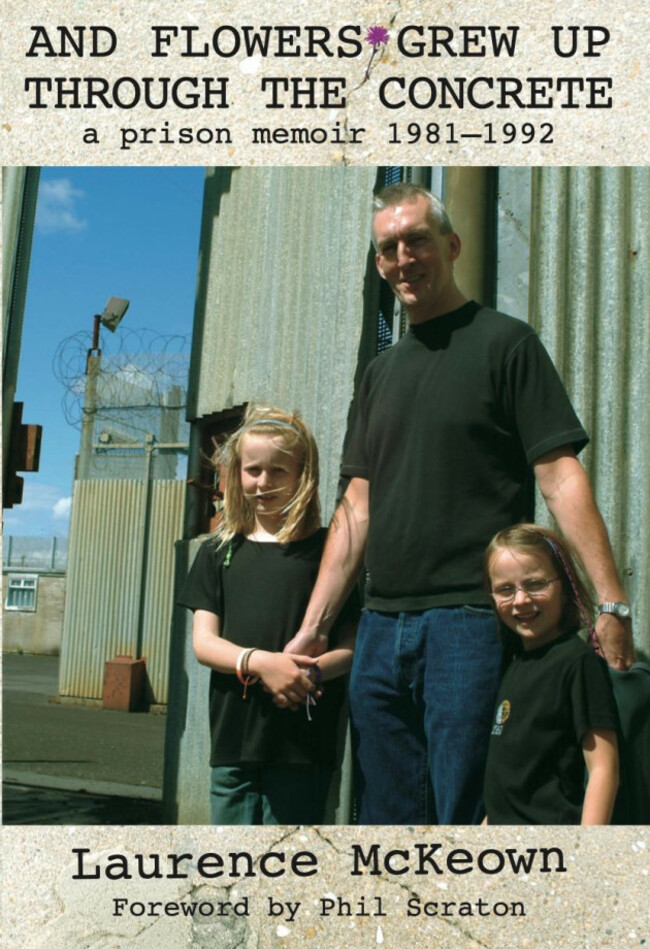
Laurence McKeown is a writer, filmmaker and playwright. He is also a former IRA prisoner and hunger striker.
To embed this post, copy the code below on your site












have your say