Sign in. It’s quick, free and it’s up to you.
An account is an optional way to support the work we do. Find out more.
Sign in. It’s quick, free and it’s up to you.
An account is an optional way to support the work we do. Find out more.
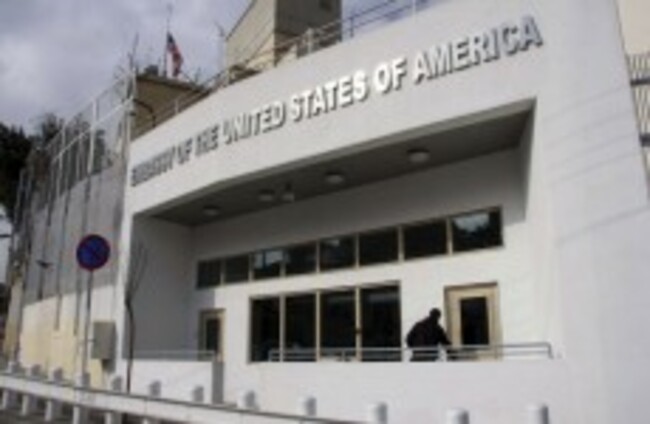
THE US HAS ANNOUNCED the closure of its embassy in Damascus today, as unrest escalates in Syria almost a year after protests against President Assad first broke out.
The State Department said in a statement issued today that the Obama administration had pulled its diplomatic personnel from the country, citing escalating violence in the capital as the main impetus behind the decision.
“The recent surge in violence, including bombings in Damascus on December 23 and January 6, has raised serious concerns that our embassy is not sufficiently protected from armed attack,” the statement reads.
“We, along with several other diplomatic missions, conveyed our security concerns to the Syrian government but the regime failed to respond adequately.”
Protests inspired by the Arab Spring uprisings in Tunisia and Egypt last year broke out in Syria in mid-March. By Christmas, the UN said that at least 5,000 people had been killed in violence between protesters and Syrian security forces. The violence has escalated in recent weeks, with bomb attacks in Damascus and with security forces shelling the city of Homs.
The State Department says that Ambassador Robert Ford “remains the United States Ambassador to Syria and its people”.
Ford was temporarily pulled out of Syria in October over security concerns, but returned in mid-December after consultations with the US government.
The Department of Foreign Affairs is advising Irish citizens against all travel to Syria and says any who are in Syria currently should leave as quickly as possible.
Today, the Obama administration repeated its calls for the international community to act in support of the Arab League-brokered peace plan to end the violence in Syria. Over the weekend, Syrian allies Russia and China vetoed a UN Security Council resolution backing the Arab League plan.

To embed this post, copy the code below on your site











have your say