Sign in. It’s quick, free and it’s up to you.
An account is an optional way to support the work we do. Find out more.
Sign in. It’s quick, free and it’s up to you.
An account is an optional way to support the work we do. Find out more.
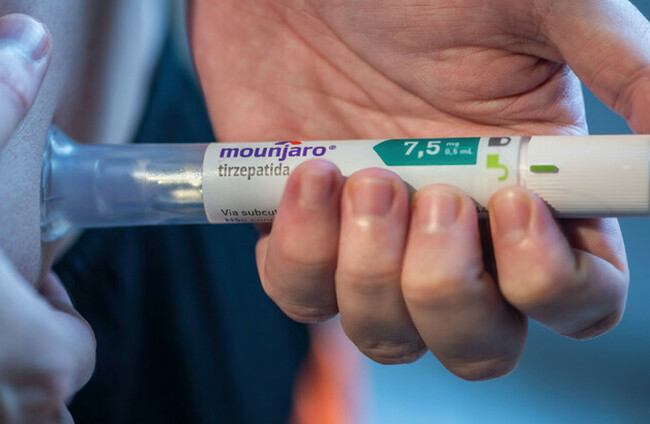
THE HSE HAS said a decision on whether to publicly fund a number of GLP-1 medications, commonly referred to as “weight loss jabs”, could take some time, with further discussions needed over the potential impact on the health budget.
Applications for reimbursement of several drugs are currently being considered through the HSE’s assessment process, which examines clinical benefits, cost-effectiveness and budgetary implications.
The HSE said its Corporate Pharmaceutical Unit would negotiate pricing with manufacturers, with potentially several meetings of its Drugs Group required before a recommendation is made to senior management.
“The State’s approach to these drugs also raises important matters of health policy,” an HSE spokesperson said, adding that discussions with the Department of Health and other stakeholders would be needed over the coming months.
The update comes as the HSE considers whether to reimburse Mounjaro, a prescription medication used to treat obesity.
An application for reimbursing Mounjaro for diabetes is also being considered.
Professor Donal O’Shea, clinical lead of the HSE’s National Obesity Programme, recently described the potential benefits of wider access to the drug as “transformative”.
However, he warned that providing treatment to the large number of potentially eligible patients could cost the State billions of euros.
Despite the costs, O’Shea noted this would be money “massively well spent”.
“The problem is you’re spending money, billions potentially, to save money, and you never see the saved money in the health service. You don’t see the hip that doesn’t get replaced, the diabetes that is not developed,” he said.
Mounjaro is currently available privately on prescription for weight management but is not reimbursed by the HSE for that purpose.
The National Centre for Pharmacoeconomics previously found the drug was not cost-effective at its original price, although its manufacturer, Eli Lilly, subsequently offered a significant price reduction.

To embed this post, copy the code below on your site













have your say