Sign in. It’s quick, free and it’s up to you.
An account is an optional way to support the work we do. Find out more.
Sign in. It’s quick, free and it’s up to you.
An account is an optional way to support the work we do. Find out more.
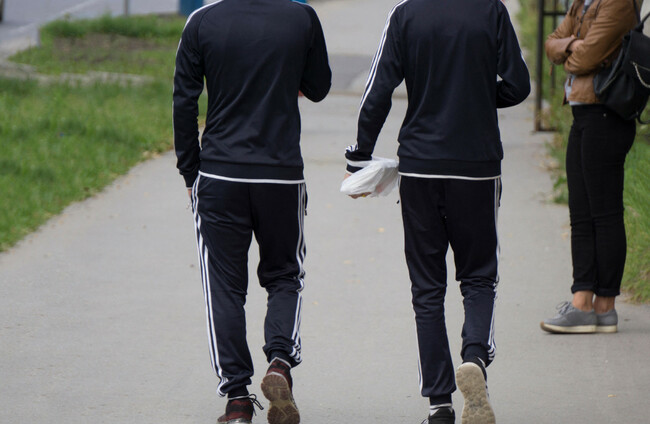
‘WHAT’S GOING ON with teenagers in Ireland?,’ a Reddit user who has moved to the country asked.
It’s not an unusual question: posts to online forums and social media about alleged crimes and antisocial behaviour by teenagers are being made frequently.
The Reddit post this week continued:
“One thing I can’t quite get used to is how often I see groups of teenagers out harassing people — shouting, throwing things, blocking paths, generally being aggressive — and nobody seems to do anything about it. It’s like people just accept it.”
Another poster to the Reddit Dublin forum said that “Irish teenagers ruined” their experiences enjoying the sun during the week due to “screaming abuse at random people”, throwing things at people, fighting each other and “‘starting’ on people”.
“This wasn’t just an isolated incident, it was on the beaches, outside the shops, on the darts, on the Luas. WTF is going on with this generation?” they said.
The alleged incidents highlighted online are a mix of public-facing bad behaviour, some of it is messing, some of it is anti-social, and some of it is criminal.
There are some statistics that corroborate the view that youth crime is increasing, with the number of children referred to the Irish Probation Service last year reaching a decade-long high.
Despite this, experts working in the area say the commentary around teenage crime is not as straightforward as it is being framed.
“Visibility doesn’t exactly mean prevalence,” Dr Eoin O’Meara Daly, research fellow in youth justice at the University of Limerick told The Journal.
He said that despite shorter term statistics, youth crime in general has declined naturally over the past 30 years.
He added that the majority of young people involved in crime are involved in public order offences, rather than more serious crimes. But these types of offences can be “in your face”, making them more visible to the public.
“The reason why that is, is because young people will essentially act out. They will do things that are impulse-based,” he said. But overall, he said youth offending is “episodic” and goes up and down naturally.
The researcher said reports of young people committing violent crimes can create a “disproportionate tension” in society, particularly “eye-catching” or more serious crimes.
Dr Malie Coyne, chartered clinical psychologist and author, said that reports of engaging in frightening or harmful behaviour touches a “very deep societal fear”, as society tends to associate young people with innocence.
Speaking to The Journal, she said social media and constant online exposure can “amplify public fear” around these issues.
“Incidents that might once have remained local are now shared repeatedly online, creating a sense that danger is everywhere. That doesn’t mean concerns are unfounded, but it does mean we need nuance and perspective rather than moral panic,” she said.
“Visible disorder by groups of teens can make adults feel powerless or unsafe. Parents naturally imagine their own children in these situations, society worries about a perceived erosion of social norms and community safety, and harmful behaviour from young people can trigger grief, fear, anxiety about where society is headed.”
The psychologist said it’s important to be able to see the “bigger picture” when it comes to teenage crime, adding that most teenagers are not engaging in serious criminal behaviour, and those that are, are likely struggling.
“Teenagers do not simply become ‘bad kids’ overnight,” Coyne said, adding that a combination of vulnerabilities and environmental stressors colliding over time can make young people more vulnerable to engaging in crime and antisocial behaviour.
A report from the Irish Penal Reform Trust recently found that poverty, inequality and disadvantage increase the risk of people entering the criminal justice system.
“Research consistently shows that early adversity, trauma, neglect, chronic stress, exposure to violence, poverty, school exclusion, neurodevelopmental difficulties, substance misuse, family instability, and lack of supportive relationships can all increase vulnerability,” Coyne said.
The psychologist said the Covid-19 pandemic “likely intensified existing vulnerabilities” for some young people, something she has noticed in recent years as a therapist.
“Many teenagers lost important developmental experiences during lockdowns, including routines, school belonging, social connection, sport and access to support for adults outside the home.”
She also said that some young people became more immersed in online worlds during the pandemic, where they may have been exposed to inappropriate content, for example, from misogynistic masculinity influencers.
Coyne said that children and teenagers do best when they feel emotionally safe, connected, valued and supported by the adults and communities around them.
“Adolescents still need guidance, boundaries, emotional availability, and supervision, even if they push against it,” she said.
She said when young people don’t have stable caregiving, they look for attention, and “any attention is better than no attention”.
However, she added that this doesn’t mean parents should be blamed. “Many families are parenting under immense pressure, and the very limited support,” she added.
But what about policing, does the current approach need to change?
O’Meara Daly said the majority of young people involved in public order-type crime will grow out of it, so the diversion-first approach that is adopted in Ireland remains the correct way.
This belief runs counter to that frequently shared online that the current policing model is not effectively targeting crime by young people.
“There are zero consequences for teenagers who cause trouble. Imagine living in a country where teenagers on robbed bikes give the garda the middle finger and taunt them because they know nothing will happen,” a Reddit user said last week. “It’s like they have free rein to do whatever they want.”
Youth crime is currently dealt with under An Garda Síochána’s National Juvenile Liaison Office, which aims to divert young people aged 12-18 from entering the criminal justice system and committing more offences. A justice liaison officer will be assigned to a child, and they will administer a caution, which could be a period of supervision.
Daly said this approach follows best practice internationally and allows people who become involved in low-level crime as a child or teenager to go on to live successful lives, without being involved in the justice system.

To embed this post, copy the code below on your site












have your say