Sign in. It’s quick, free and it’s up to you.
An account is an optional way to support the work we do. Find out more.
Sign in. It’s quick, free and it’s up to you.
An account is an optional way to support the work we do. Find out more.
IRELAND’S MARINE LIFE may appear underrepresented compared to our wildlife – there is much talk of our flóra agus fána, but perhaps slightly less about our ainmhithe agus éisc mhara.
Joey Batt, a 32-year-old health and safety and operations coordinator at Dublin Port, thinks so anyways. That’s why he’s taken to sharing his hobby documenting marine life off Ireland’s west coast online to his tens of thousands of followers.
Batt was born and raised in Sheriff Street in the north inner city of Dublin. He told The Journal that before Covid hit, he had left Dublin only twice: once to go to Spain and once to France on school holidays. “We used to go to Balbriggan [in north county Dublin] every year,” he said.
He bought his first drone roughly eight years ago to use as a hobby, and then began using it to take pictures. It was only during the Covid years that he began to take interest in what was going on in Irish waters.
He and a friend set off in the car when restrictions lifted and decided to head somewhere. “We just opened Google Maps and said, ‘where will go we go?’ and we just zoomed in on everywhere. We just found a place and there was blue water on the map, so we said we’d go there.”
They drove four and a half hours to Keem Bay in Co Mayo.
“When you turn up around that bend on a sunny day you’re just like, what even is this?” Batt said. There were dolphins there at the time.
Now, Batt spends most of his weekends travelling the west coast and documenting marine life on his TikTok and Instagram pages, Dublin Drone, which have a combined following of almost 100,000.
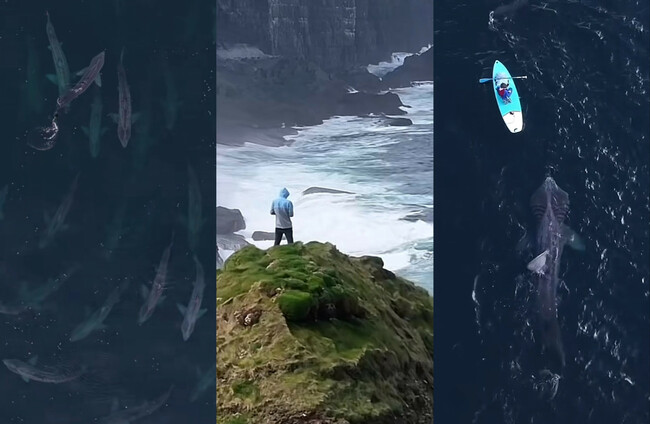
When he spoke to The Journal earlier this week, he hadn’t long returned from five days at Loop Head in Co Clare where he observed basking sharks swimming in formations.
“This is probably one of the rarest events that sharks do,” he said. “You have these basking sharks that arrive off the coast out of nowhere, and they all just come together in big formations.”
It only happens once a year for around a week and there is not a set date to look out for – Batt received word that it had begun and he dropped everything to head straight to Clare.
“They still don’t exactly know what they’re doing, but they’re swimming in these beautiful formations,” he said. Tourists gathered to watch the occasion and in the evening times, locals would head down to observe the annual phenomenon.
Batt devotes enormous amounts of time to his documentation of these events, but makes no money from it. In Ireland, the only way to make money off social media is through sponsorships and paid advertisements, which Batt has decided not to attach himself to.
His main focus is on raising awareness in Ireland of the vastness and intricacies of Irish marine life.
“The plan is to try to help highlight what’s out there,” he said. “That’s all I want to do – to really highlight what’s in Irish waters.”
He said that many people have no idea the extent of marine mammals close to the country’s coast.
“I didn’t even know we had dolphins,” he said, before he had travelled to other parts of the country several years ago.
For those interested in viewing more of marine life or travelling to various parts of Ireland, Batt recommends both Dingle Bay and Donegal Bay.
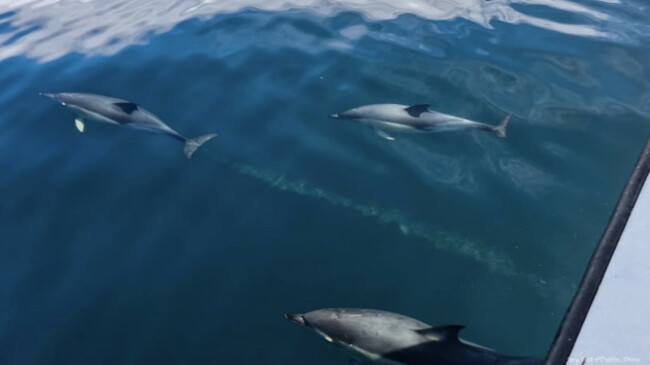
Dingle Bay is a prime spot to view dolphins, basking sharks, fin whales, and minke whales, depending on the time of year, he said.
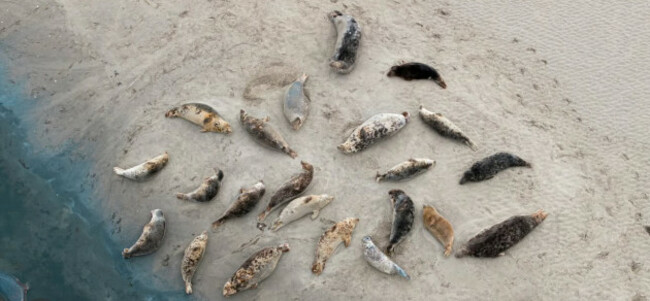
“You have the large colony of seals down in Dingle: Ireland’s largest colony of grey seals is down in Dingle on the Blasket Island Beach.”
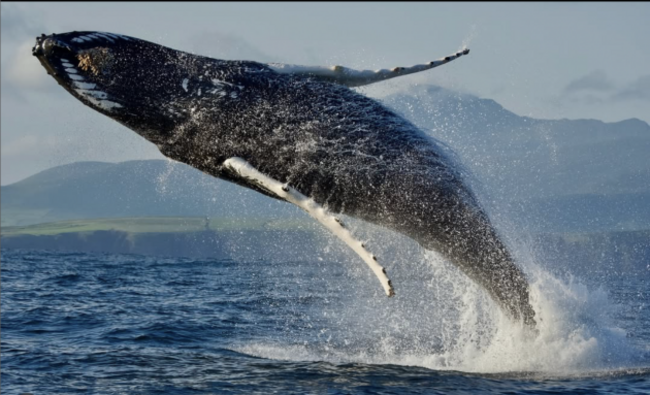
And Donegal Bay? “I’d call it the humpback central of Ireland. Every year they have so many humpbacks.”
Next month, he’s to begin a marine mammal course, having been put forward for it by the ESB.

To embed this post, copy the code below on your site













have your say