Sign in. It’s quick, free and it’s up to you.
An account is an optional way to support the work we do. Find out more.
Sign in. It’s quick, free and it’s up to you.
An account is an optional way to support the work we do. Find out more.


The FOI Files is a series from our team at The Journal Investigates. Each week, one of our investigative journalists brings you inside the fight for information that we’re all entitled to. They’ll share their documents, their stories – and tips on how to take the journey for yourself.
This week’s file is from investigative journalist Conor O’Carroll.
See here for The Journal Investigates’ most recent investigations.
STUDENTS UNABLE TO register, missing courses and delays with exam results were just a few of the technical difficulties staff and students encountered with a new system introduced by TU Dublin last year.
The new student registration and records system was supposed to “improve and streamline” student services across the university’s five campus locations. Despite the president being told the system had been tested and was ready to go, the rollout caused significant issues at the university.
When public bodies undertake major projects like this, the question of cost will always be at the forefront, particularly if the project is later plagued with issues.
Even now, a year on from its initial rollout, students are still having difficulties registering, with “a small number” waiting to get their registration emails, according to a TU Dublin spokesperson.
“Over 96% of students who have commenced their studies since September have received their invitation to register email,” the spokesperson added. They explained that the difficulties encountered by some students are due to “a recent software update”.
TU Dublin is also struggling financially, having recorded deficits of more than €8 million in 2024 and 2023. The higher education regulator, the Higher Education Authority, has been overseeing the university’s financial recovery since 2024.
These issues put an even sharper focus on spending at the university, and with the new system having a financial impact, the refusal to provide any figures on cost leaves a significant transparency gap that remains unanswered.
When I asked TU Dublin to release information related to the financial cost of the new student registration system, they refused, saying that they didn’t hold any records of the procurement.
This was because the process was managed on TU Dublin’s behalf by Asiera, which is an organisation that provides IT services for higher education institutions in Ireland.
This was surprising, as when I initially sent this Freedom of Information (FOI) request, the university said that a request for invoices would cause “substantial and unreasonable interference” with the finance department.
They asked me to refine my request as they said it would be considered voluminous – in other words, too big for them to reasonably respond to.
I had also asked for internal records on the issues encountered by staff and students with the new system and to overcome this obstacle. I split it into two separate requests, only for TU Dublin to then claim they held no records on the system’s procurement.
Having failed to shed any light on the finances with TU Dublin, I turned my attention, as they suggested, to Asiera.
But again I encountered obstacles.
Asiera released some records relating to the procurement of the new system, including 47 pages of invoices paid to an Irish subsidiary of the US-based company providing information technology services, DXC Technology.
The only problem was that Asiera had redacted the amount paid in every invoice.
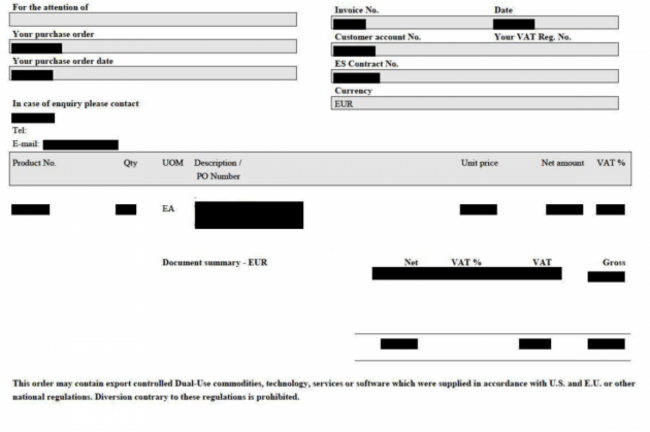
They argued that the invoices contained “commercially sensitive supplier information” under Section 36 of the Act.
I appealed this decision, arguing that the Information Commissioner “takes the view that there is a strong public interest in openness and accountability in the use of public funds”.
And while some further records were released following the appeal, this didn’t include any of the invoices. The cost of the system was still being withheld.
All of this goes to show just how difficult it can be to obtain information about public spending, even when tools like FOI are supposed to provide transparency.
I have since appealed the decision to the Information Commissioner in the hope that they will rule that the requested information must be released.
While we still don’t know how much the new system cost, we can learn about its impact from the university’s governing body meeting minutes.
In September last year, the university sought “external resources” to help deal with the difficult system rollout.
Perhaps unsurprisingly, TU Dublin also refused to release information relating to how much this cost, again citing commercially sensitive information.
But we do know that the problems with students paying fees presented a financial risk to the university. Funding based on the number of students that are enrolled was also at risk due to the registration issues.
Concerns were raised by the governing body in May this year regarding “cost escalation, procurement, and ongoing reliance on external providers” relating to the system.
A month later in June, the governing body approved a motion to increase the budget for the entire project.
The minutes note that “an overview of the project from its inception to the current day was covered, including in-depth spend analysis”, but as we’ve come to expect, no figures were provided.
Asked about this, a spokesperson for TU Dublin said they could not provide figures on the cost of the project or the budget increase.
They also suggested that I contact the FOI office for more information.
If you have a burning FOI question about how to get certain records or why your request was refused, you can get in touch with our team at investigates@thejournal.ie. The Journal Investigates team will be back with another instalment of The FOI Files next Tuesday.

To embed this post, copy the code below on your site













have your say