Sign in. It’s quick, free and it’s up to you.
An account is an optional way to support the work we do. Find out more.
Sign in. It’s quick, free and it’s up to you.
An account is an optional way to support the work we do. Find out more.
GREECE’S PARLIAMENT will this week face its biggest decision yet in the country’s financial crisis – whether to approve the latest package of austerity measures which have met with major public revolt.
The 2013 Budget – which includes €13.5 billion in spending cuts and tax increases – will be debated all week, with the first vote expected on Wednesday, and a final vote this coming weekend.
The measures are expected to pass, albeit narrowly, with Greek paper Ekathimerini saying the budget will be approved by between 153 and 157 members of the 300-member Budget.
That paper added that differences between the three coalition partners remain outstanding, with the smaller Democratic Left party opposed to the clauses which would make it easier to sack workers and and general cuts to public sector pay.
The budget could still be passed, even if that party votes against it: the two larger parties, the centre-right New Democracy and socialist PASOK, together hold 162 seats. Only a small number of PASOK’s 33 members are likely to defect.
If Democratic Left cannot bring itself to support the Budget, it will quit the government and bring its 17 members to the opposition benches – making it tougher for its two larger colleagues to pass any future measures.
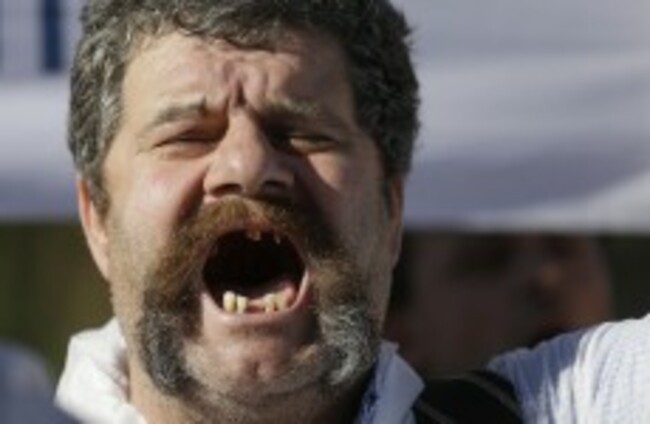
The moves are being opposed by many of the country’s trade unions, which have called a 48-hour general strike beginning tomorrow and are planning to hold marches in central Athens.
Reuters said unions representing doctors, shopkeepers, transport workers and journalists were also planning work stoppages over the coming days in protest at the moves.
The latest round of measures is needed in order to secure the latest tranche of €31.5 billion in bailout loans from the ECB, European Commission and IMF.
Those loans had originally been due during the summer, but were withheld following the collapse of the last PASOK government and the two elections that followed.

To embed this post, copy the code below on your site








have your say