Sign in. It’s quick, free and it’s up to you.
An account is an optional way to support the work we do. Find out more.
Sign in. It’s quick, free and it’s up to you.
An account is an optional way to support the work we do. Find out more.
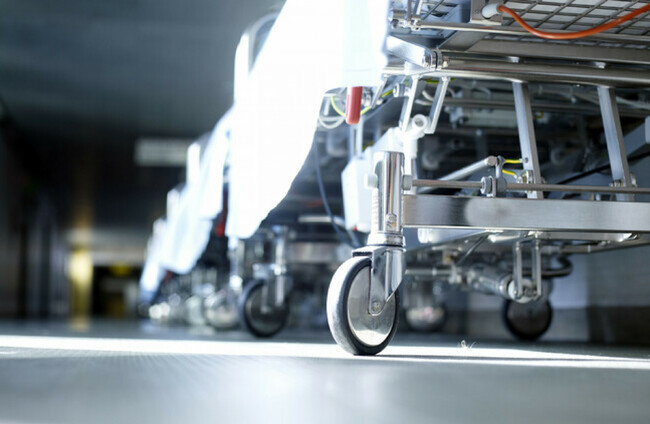
THE GOVERNMENT HAS been presented with three options to address chronic overcrowding at University Hospital Limerick (UHL), including the possible development of a new hospital with a second emergency department in the Mid-West.
The Health Information and Quality Authority (Hiqa) published its independent review today following years of pressure over conditions at UHL, which consistently records the highest number of patients waiting on trolleys in the country.
Today, on the same day the report was released, the Irish Nurses and Midwives Organisation said 133 admitted patients were waiting for a hospital bed at the hospital.
There were 147 patients on trolleys at the Limerick hospital yesterday.
Hiqa’s review was commissioned by the Department of Health in May 2024, after growing concern about patient safety in the region and in the wake of the death of 16-year-old Aoife Johnston at the UHL emergency department in December 2022.
The watchdog concluded that the Mid-West has the lowest number of inpatient beds relative to the demand on its emergency department, and that the gap between need and capacity is driving “persistent” risks to patient safety.
A new emergency department opened at UHL in 2017, but it has struggled to keep pace with growing demand.
A new 96-bed unit at UHL, which the site has said is due to open “imminently,” will not meet the level of capacity needed.
“We recommended immediate action and investment to address current risks to patient safety in the shortest timeframe and safest way possible,” the Hiqa report said.
Hiqa presented three possible routes forward.
The first (option A) would involve expanding capacity at the existing UHL site in Dooradoyle.
The second (option B) would extend the UHL campus with a new facility built nearby, under a shared governance and resourcing model.
The third option (option C) would involve the development of a new hospital at another location in the Mid-West, providing a second 24/7 emergency department for the region.
The report noted that “options A or B are more likely to yield increase bed capacity in a quicker timeframe.”
According to Hiqa, option C “may have the potential to meet longer-term bed requirements”, but would be least capable of addressing “immediate capacity deficits”, while being associated with the longest lead times.
Dr Máirín Ryan, Director of Health Technology Assessment and Deputy CEO at Hiqa, said that the current situation caused by the demand-capacity gap at UHL and across “presents a risk to patient safety.”
Hiqa has also warned that the issue cannot be resolved solely by new buildings or beds.
Its report emphasised the need for improved leadership and governance at UHL, enhanced pre-hospital emergency care services, and stronger community and GP services across the region.
It stressed that “ongoing communication and engagement with the people of the Mid-West will also be crucial” if any of the proposed options are to succeed.
Labour TD Conor Sheehan described the Hiqa review as “a damning indictment of this Government’s continued failure to deal with the crisis at University Hospital Limerick,” warning that “patients and frontline staff are paying the price.”
The Irish Medical Organisation (IMO) also welcomed Hiqa’s review, warning that UHL is operating at “a dangerous capacity” that threatens both staff and patients.
IMO President Dr Anne Dee said urgent action is needed to increase bed numbers and provide the necessary support for safe care.

To embed this post, copy the code below on your site











have your say