Sign in. It’s quick, free and it’s up to you.
An account is an optional way to support the work we do. Find out more.
Sign in. It’s quick, free and it’s up to you.
An account is an optional way to support the work we do. Find out more.
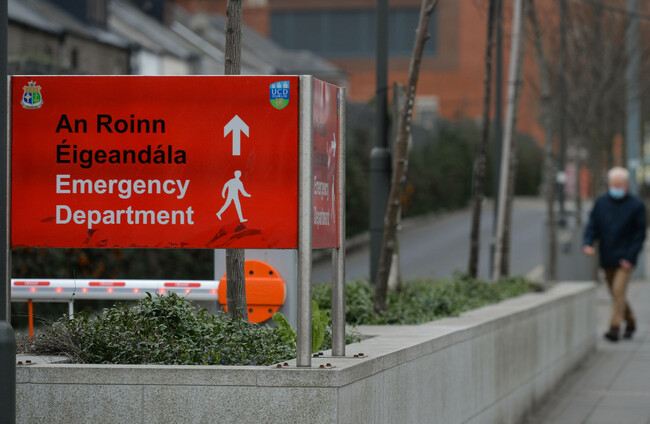
THE NUMBER OF people with influenza and RSV (respiratory syncytial virus) doubled over the course of last week, according to the HSE.
The HSE has said it expects that upward trend in the number of RSV and flu cases to continue until the end of the month.
A combined total of almost 2,000 cases of Covid-19, RSV and influenza have been notified in the past week, the health service said. This has led to significant increases in the number of people presenting at emergency departments with those illnesses.
“The impact of flu circulating in the community has a direct impact on the capacity of health services, both in hospitals and in primary and community care settings,” the HSE said in a statement.
The CEO of the HSE Bernard Gloster said over 600 people were hospitalised in the last week due to Covid, flu and RSV.
“When this is added to the usual demand placed on the health service, it brings significant pressure on the public and healthcare staff,” he said.
“People can expect to see all access points to healthcare under pressure over the next few weeks.”
Gloster added that older people and the young are most vulnerable, followed by those with underlying conditions.
“Covid-19 has been relatively stable, and RSV in older children is clearly significant,” Gloster said.
“The good news is that the number of cases of RSV among infants (less than 3 months) has sharply decreased since the HSE began a vaccination programme for newborns.
“Only 24 babies were hospitalised with RSV since the vaccination programme started, a significant fall from the 413 cases in the same period last year- this is a reminder of the importance of progressive vaccination programmes.’’
The HSE is particularly concerned about Influenza at the moment.
“We expect the week of Christmas and the New Year to see flu cases to be at their highest so far this season, and modelling shows hospitalisations from flu alone to be in the region of 600-900,” the HSE said.
The health service said it expects this Christmas season to be busier than ever, and “this higher demand from patients will create delays getting through to the service at peak times or in waiting for a call back from a triage nurse, and again longer waiting times for an appointment”.
Gloster asked people not to go to an emergency department if they have a mild illness of a condition that is not urgent, adding that other options are available.
“We know that our Emergency Departments will be where people will experience the most delay and pressures. We absolutely want people with an emergency to come to the hospitals and have the service they need,” he said.

To embed this post, copy the code below on your site










have your say