Sign in. It’s quick, free and it’s up to you.
An account is an optional way to support the work we do. Find out more.
Sign in. It’s quick, free and it’s up to you.
An account is an optional way to support the work we do. Find out more.
INVASIVE NON-NATIVE species of plants, animals and fish have a direct cost to the Irish economy of €261 million each year, according to the first estimate of the economic impact of the problem.
Despite the associated costs, the Minister for Arts, Heritage and the Gaeltacht has not yet brought into effect a 2011 regulation that would ban trade in some of the most damaging species, his department has confirmed.
The costs of invasive species to sectors including farming, fishing, tourism and forestry are likely to rise as more species arrive each year and those already present become more widespread, new research for the National Parks and Wildlife Service (NPWS) and Northern Ireland Environment Agency states.
An invasive species is one that damages the ecology of the environment into which it is introduced. Humans have been deliberately or accidentally transporting species for thousands of years, but the increase in trade and transport links due to globalisation has greatly increased the problem.
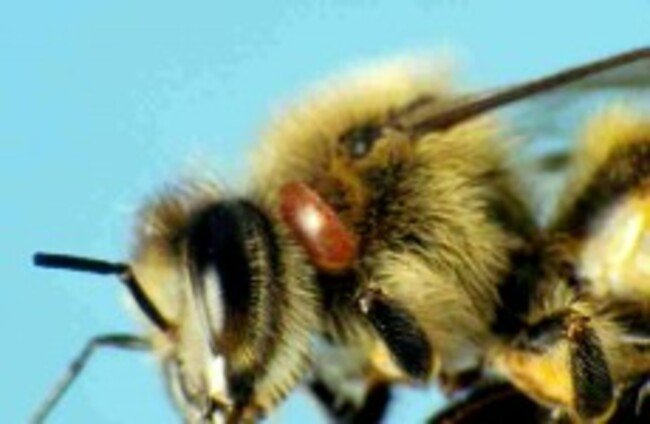
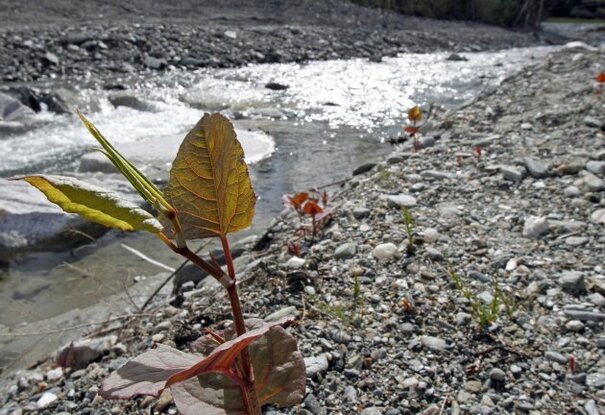
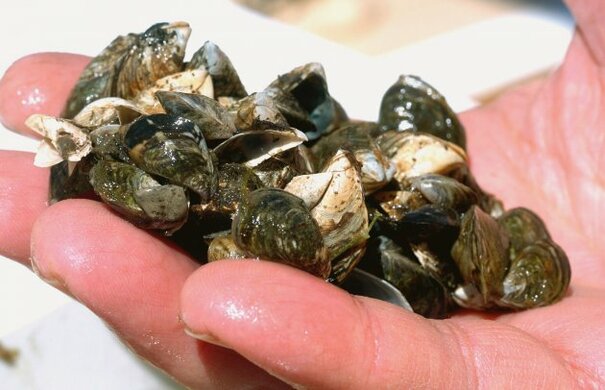
In Ireland, problem species include plants such as the Japanese knotweed and New Zealand pygmyweed and animals, including chub fish, zebra mussels and the varroa mite, which has been highly destructive to honey bees since its introduction to Ireland in 1998. Species with a high potential to spread from gardens into the wild include water primrose.
Before the 2011 regulation to ban the trading or keeping of problem species comes into effect, the government will first tender for an impact assessment on regulation 50. Consultation with the horticulture and pet and aquarium trades is also planned, a spokesman said, adding that this could take “some months to complete”.
“The way things are, you can sell invasive plants and there isn’t anything we can do,” an NPWS official said.
“The main problem on the flora side is continuing sale by garden centres and nurseries,” Andrew Jackson of An Taisce said. “The NPWS and Inland Fisheries Ireland are spending a lot of money and time on clearing plants but on the other hand there is nothing to stop people going out and buying the same plants that are causing the problems,” he said.
About 14 per cent of mammals and 57 per cent of plant species in Ireland were introduced by people.

To embed this post, copy the code below on your site













have your say