Sign in. It’s quick, free and it’s up to you.
An account is an optional way to support the work we do. Find out more.
Sign in. It’s quick, free and it’s up to you.
An account is an optional way to support the work we do. Find out more.
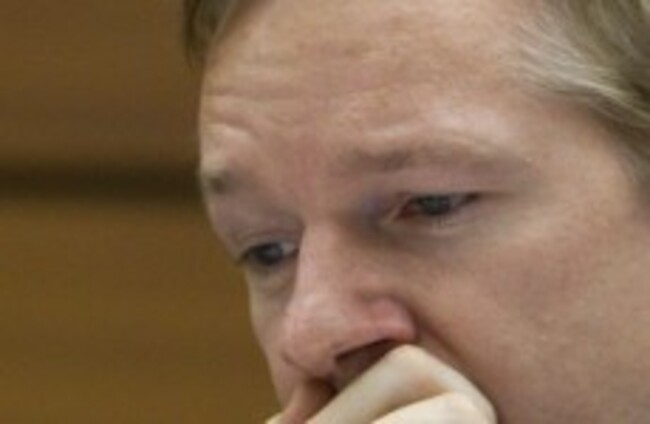
WIKILEAKS FOUNDER JULIAN Assange has been denied bail during a extradition hearing in London today.
Assange is wanted in Sweden over rape and sexual assault allegations lodged by two women last August. Speaking at the hearing today, district judge Howard Riddle said that Assange has the “ways and means” to abscond and as a result denied his application for bail.
The Guardian reports that Riddle also cited Assange’s “weak community ties” in the UK as a grounds for denying his application – despite Jemima Khan, former wife of Pakistan cricket captain Imran Khan, the campaigning journalist John Pilger, the film director Ken Loach and others offering to stand surety totalling £180,000.
Kristinn Hrafnsson, a spokesman for WikiLeaks, said the site would continue to publish diplomatic cables despite Assange’s arrest:
This will not stifle WikiLeaks. The release of the US embassy cables – the biggest leak in history – will still continue. We will not be gagged, either by judicial action or corporate censorship.
Assange’s lawyer welcomed a show of support for his client outside the court, saying: “This is going to go viral. Many people believe Mr Assange to be innocent, myself included. Many people believe that this prosecution is politically motivated.”
However, Claes Borgström, the lawyer for the two women who accuse Assange of sexual assault says that his clients are victims, and have been treated in an “unfair and absurd” manner. He said any rape case is notoriously difficult to bring to court and that the women were having “a very tough time”.
He said that the women’s right to anonymity has been ignored and that supporters of Assange who believe the women are part of a CIA-inspired honeytrap operation had posted their photographs online, monitored their tweets and raked through their CVs.
The Guardian reports that, when asked whether the women would have pursued their cases against Assange if they had known they would have been personally attacked, Borgström replied:
If they had known what was going to happen, maybe they would not have gone to the police at all … I would not have done it.
Swedish rape law is not based on consent but rather on the concept of “sexual integrity”. There are several classifications of what constitutes a violation of sexual integrity; can include physical force – even slight physical force – or the threat of an illegal act.
Assange has been remanded is custody until 14 December, when the case can be reviewed at the same court.

To embed this post, copy the code below on your site












have your say