Sign in. It’s quick, free and it’s up to you.
An account is an optional way to support the work we do. Find out more.
Sign in. It’s quick, free and it’s up to you.
An account is an optional way to support the work we do. Find out more.
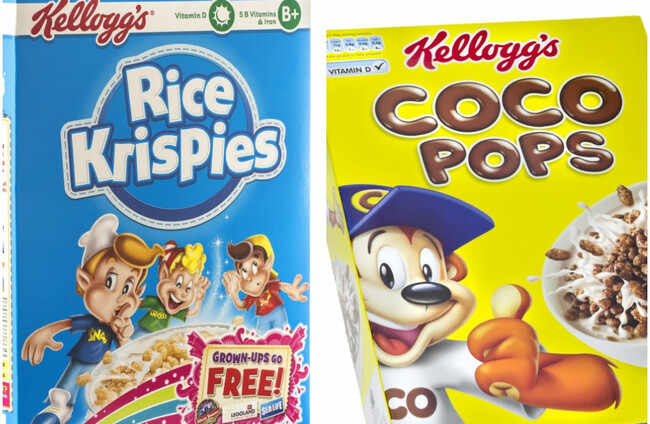
KELLOGG HAS SAID that it plans to drastically reduce the amount of sugar in some of its bestselling cereals.
Coco Pops and Rice Krispies are set to become healthier, with less salt and less sugar, while the company is also launching a new vegan and organic cereal range.
From January, Coco Pops will have 40% less sugar (down from 30g per 100g to 17g per 100g). It will also have 9% less salt in it. This comes on the back of a 14% reduction in sugar levels in Coco Pops earlier in the year.
Rice Krispies, meanwhile, will have 20% less sugar, while its multi-grain cereal will have 30% less.
The company said it was reducing sugars but maintaining the taste of the cereals after its food developers came up with new ways of using flavours and grains to reduce sugar.
Kellogg also said it would remove all artificial preservatives from its breakfast foods next year.
A new plant-based cereal range called WK Kellogg will be launched next year, with no added sugar, low sugar, organic and vegan options.
In Ireland, 10% of boys and 9% of girls are classed as obese, and that number is expected to rise in the future. High sugar diets, and a lack of physical activity, are cited as some of the main causes of this continuing trend.
Analysis in the past has shown that breakfast cereals, even those marketed as healthy, can be “too high in sugar”.
Earlier this year, the Sunday Times in the UK discovered that Kellogg had contributed to a study which undermined current policy on sugar intake, as proposed by bodies such as the World Health Organisation (WHO) and the British government.
The WHO, for example, recommends that we get less than 10% of our energy each day from sugars, and says that this is “based on the latest scientific evidence”.
The study which Kellogg’s helped to fund, on the other hand, concluded that “guidelines on dietary sugar do not meet criteria for trustworthy recommendations [and] are based on low-quality evidence”.
On the new sugar levels in the cereals, Kellogg Ireland MD Jim McNeill said: “We know we have a responsibility to continuously improve the nutrition of our food.
We recognise, based on dietary survey data, that people are eating too much sugar throughout the day and that people need more options, such as organic and vegan.
The new range of cereals and the lower-sugar variants will be in shops from January.

To embed this post, copy the code below on your site













have your say