Sign in. It’s quick, free and it’s up to you.
An account is an optional way to support the work we do. Find out more.
Sign in. It’s quick, free and it’s up to you.
An account is an optional way to support the work we do. Find out more.
NEED TO CATCH up? The Journal brings you a round-up of today’s news.


#IRAN: Hundreds of thousands of mourners lined the streets of Tehran today for the funerals of the head of the Revolutionary Guard and other top commanders and nuclear scientists killed during a 12-day war with Israel.
#GLASTO: Belfast rap trio Kneecap packed out the West Holts stage at the Glastonbury Festival, leading to event organisers telling festival-goers to avoid the area.
#GAZA: At least 72 people have been killed by Israeli strikes in Gaza, the health ministry there has said.
#HUNGARY: As hundreds of thousands gathered for Pride in Hungary, Lauren Boland reports from Budapest on the current conditions for LGBTQ+ people living in the country as Viktor Orbán’s government cracks down on their rights.
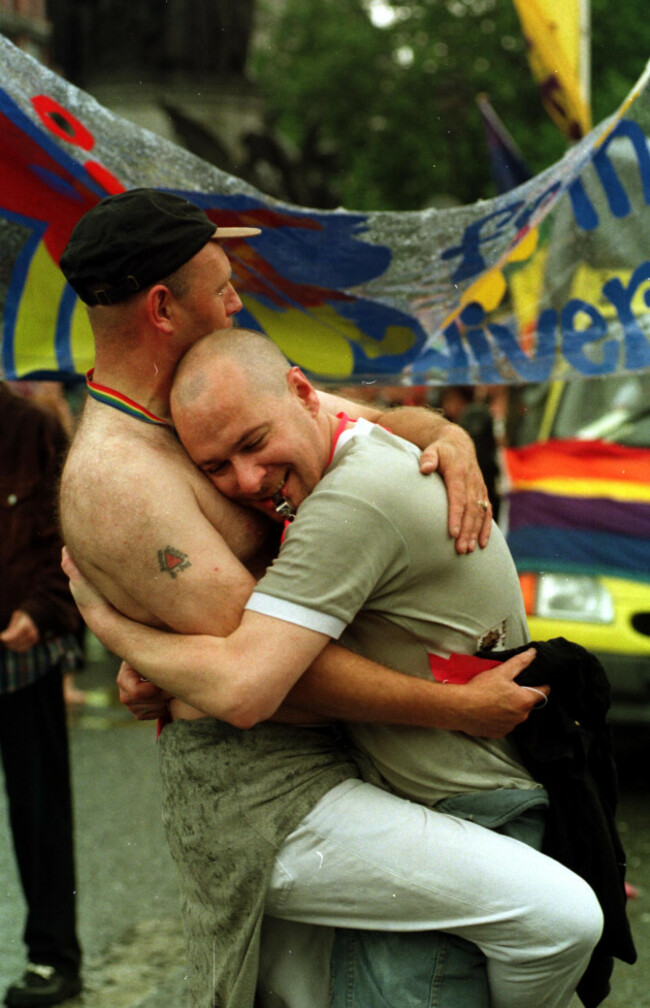
FIFTY-ONE YEARS AGO, on a mild, dry day in late June, a small group of less than a dozen people marched through Dublin to protest outside the British embassy.
It was 1974 – the year the Ladies’ Gaelic Football Association was founded, the year of the UVF’s Dublin and Monaghan bombings, the year that Transition Year was first introduced to secondary schools – and the ten activists who took to the streets on the 27th of June were fighting for LGBTQ+ rights.
At the time, same-sex relations were criminalised under the law, and they had been so since the 1800s under legislation that the British state imposed on Ireland which the fledgling Irish State had never repealed.
Lauren Boland reports on the history of Dublin Pride, and how it came to be what it is today.

To embed this post, copy the code below on your site






have your say