Sign in. It’s quick, free and it’s up to you.
An account is an optional way to support the work we do. Find out more.
Sign in. It’s quick, free and it’s up to you.
An account is an optional way to support the work we do. Find out more.
THE UNITED NATIONS Educational, Scientific and Cultural Organization (UNESCO) has issued a statement reminding “all parties” to the current conflicts ravaging the Middle East of their obligation to respect and protect world heritage sites in the region.
In a post on X, UNESCO said that the more than 70 recognised and protected sites are now “under threat, particularly in Lebanon, Palestine, Israel and Yemen”.
“UNESCO recalls to all parties their obligation to respect and protect the integrity of these sites. They are the heritage of all humanity and should never be targeted,” the agency said.
The statement did not name specific actors but it came in light of recent Israel airstrikes in Lebanon.
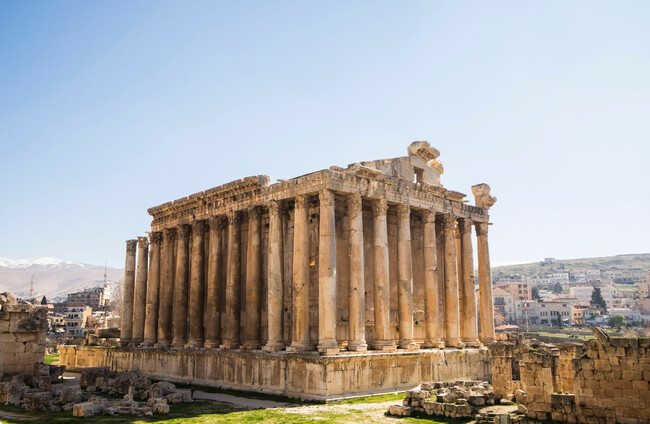
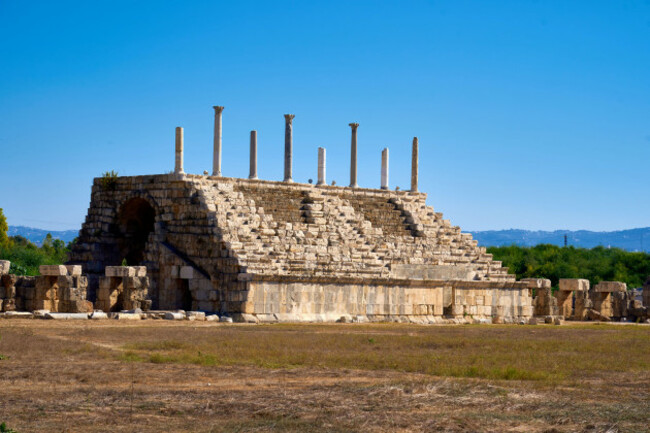
“UNESCO is closely following the impact of the ongoing conflict on Lebanese cultural sites, such as Tyre and Baalbek World Heritage properties near which airstrikes have been reported,” a spokesperson for the organisation told The Journal.
In partnership with the UN’s satelite centre, UNESCO is monitoring the situation at various sites in Lebanon, with no apparent damage reported so far.
“However, these preliminary assessments will have to be complemented by more precise field inspections when the situation permits,” the spokesperson said.
UNESCO’s Director General Audrey Azoulay held a meeting with Lebanese Foreign Minister Abdallah Bou Habib to discuss the situation last week.
This week Israel has struck the Baalbek region, which is home to Baalbek City, a world heritage site famed for its Roman architecture.
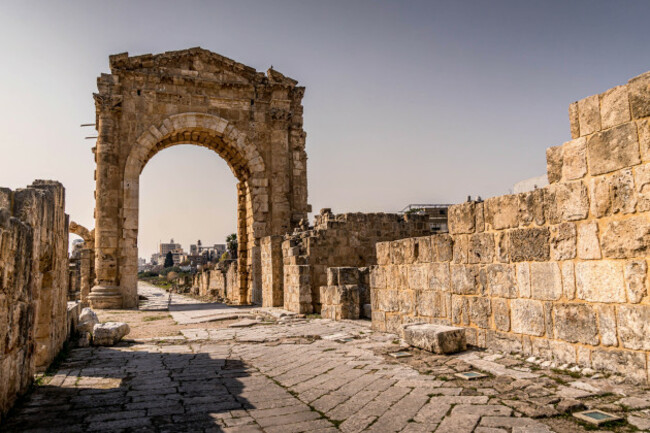
Israel has also launched strikes against the ancient city of Tyre, which is home to another world heritage site. Tyre was a great Phoenician city and has more examples of Roman architecture.
It used to be an island until Alexander the Great laid siege to it and built a causeway so that his forces could attack the city in 332 BC. Tyre is now connected to the Lebanese mainland.
According to UNESCO, “Tyre was directly associated with several stages in the history of humanity, including the production of purple pigment reserved for royalty and nobility [and] the construction in Jerusalem of the Temple of Solomon, thanks to the material and architect sent by the King Hiram of Tyre”.
It is considered to be one of the oldest cities in the world.
Israel has already caused alarm by its treatment of Middle Eastern heritage this year.
In August, the Israeli government approved an illegal settlement on another world heritage site in Palestine, Battir, which is known for its ancient stepped agricultural landscape and irrigation system.
UNESCO describes Battir as “a major Palestinian cultural landscape”.
At a session in July, 21 member states noted the concern about “reports of ongoing illegal constructions, settlements and other developments within the property and its buffer zone” and asked “all parties to avoid any action that would cause damage to the property”.
The most infamous example of an ancient site being damaged in the Middle East in recent memory came in 2015, when ISIS militants destroyed large parts of Palmyra in Syria.
Hamas said today that it would not accept a temporary ceasefire in its war with Israel, reiterating an already stated position, as negotiations resumed this week in Qatar.
“The idea of a temporary pause in the war, only to resume aggression later, is something we have already expressed our position on. Hamas supports a permanent end to the war, not a temporary one,” Taher al-Nunu, a senior leader of the movement, told the AFP news agency.
Mediators seeking to broker a Gaza ceasefire are expected to propose a truce of “less than a month” to Hamas, a source with knowledge of the talks told AFP yesterday.
Meetings between Mossad head David Barnea, CIA Director Bill Burns and Qatar’s prime minister Mohammed bin Abdulrahman bin Jassim Al Thani in Doha, which concluded on Monday, discussed proposing a “short-term” truce of “less than a month”, the source said on condition of anonymity because of the talks’ sensitivity.
Hamas, whose two top leaders have been killed by Israel, did not take part in the talks.
Al-Nunu said the group had not received any proposal so far, adding if it gets such a plan, it would respond.
However, he reiterated the demands the group has been insisting on for months – “a permanent ceasefire, withdrawal (of Israeli forces) from Gaza, the return of displaced people, sufficient humanitarian aid to Gaza and a serious prisoner exchange deal”.
Meanwhile, as Israel continues its siege of the northern part of Gaza and its bombardment and invasion of Lebanon, Tánaister Micheál Martin reiterated Ireland’s call for a ceasefire in both conflicts.
“We are doing everything we possibly can, with others, to get a ceasefire in Lebanon, get a ceasefire in Gaza, the release of hostages in Gaza and a massive surge of humanitarian aid” into both places.
“A ceasefire is absolutely essential,” Martin said. “We need de-escalation. The consequences for men, women and children in the region are appalling. It is catastrophic.”
With reporting from AFP

To embed this post, copy the code below on your site
















have your say