Sign in. It’s quick, free and it’s up to you.
An account is an optional way to support the work we do. Find out more.
Sign in. It’s quick, free and it’s up to you.
An account is an optional way to support the work we do. Find out more.
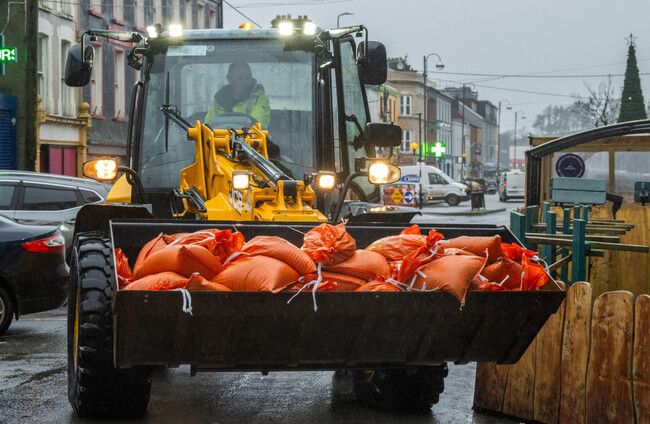
IF YOU’VE BEEN chatting with family, friends or neighbours about the government’s emergency preparedness booklet, there’s a chance the same question has come up: why now?
The recent issuing of ‘Be Emergency Ready’ advice preceded a few weeks of unsettling headlines, from bomb threats across Europe to outages affecting Revolut and Microsoft services and the hacking of supermarket fridges.
The emergencies in question are non-specific disruptive events that could compromise critical infrastructure, public services, and people’s daily lives.
There’s no real definitive emergency that falls under that umbrella, but examples include big weather events and natural disasters, cyberattacks, health crises and war.
The timing of the government’s campaign has left some people wondering whether there’s a connection, and what exactly they’re being asked to prepare for.
Domestically, it’s because of the Be Emergency Ready campaign, which was formally launched by defence minister Helen McEntee on 28 August this year.
There has been a bit of chatter about this recently after An Post launched a campaign to deliver approximately 2.2 million booklets about preparing for emergencies from September.
The booklet, published by the Department of Defence’s Office of Emergency Planning, advises households on preparing for power cuts, flooding and other emergencies.
Its checklist includes non-perishable food, two to three litres of drinking water per person each day, a torch, spare batteries, a radio, medicines and copies of important documents.
If you didn’t get one of these booklets, it’s not just you: loads of households have reported not receiving them, though it’s not entirely clear why this is the case.
Part of the answer is a wider European push to make sure people are prepared for emergencies.
But Ireland’s own recent experience of severe weather has also played a role, particularly the aftermath of Storm Éowyn.
If you’ve forgotten, Éowyn was a record-breaking storm in 2025 and Ireland was only spared the worst effects of it because it did not coincide with high tide and happened overnight.
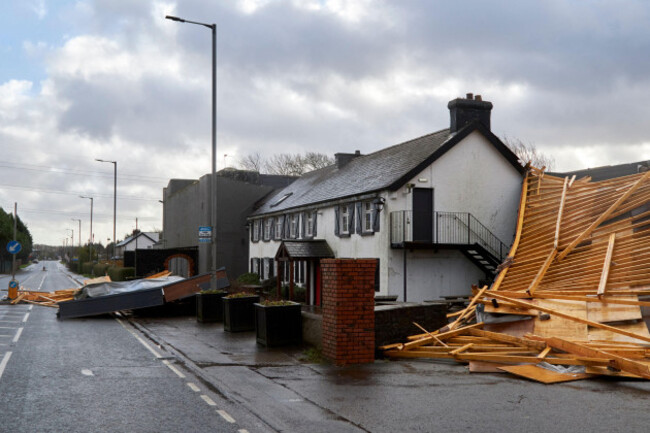
Records previously released to The Journal under the Freedom of Information Act show that the Department of Defence cited the findings of a report about the storm that referenced the importance of households and communities being self-sufficient.
Because the storm happened in August, older season-specific campaigns – namely the Be Winter Ready and Be Summer Ready initiatives – weren’t really apt.
The Be Emergency Ready initiative is therefore a more permanent reconfiguring of those emergency preparedness campaigns.
It’s not all because of Éowyn though.
The government’s 2024 National Adaptation Framework identified emergency planning as an area that would need to respond to increasingly severe climate-related events.
The initiative also comes on foot of a wider EU push to improve emergency preparedness, inspired in part by increasing numbers of climate-related emergencies, and recent disruptions to supply chains due to Covid.
These plans have been in train for a while.
In March 2025, the European Commission and the EU’s foreign policy chief launched the Preparedness Union Strategy, which cited growing geopolitical tensions, cyber threats, climate change and natural disasters.
Lahbib told the European Parliament that advice to be prepared for 72 hours was grounded “in existing emergency-preparedness guidelines and international best practice”, for short disruptions to services or supply chains.
The Commission has also proposed developing guidelines to help member states achieve that level of self-sufficiency, allowing people to meet their basic needs if services or supplies were disrupted.
It called for the public to adopt practical measures, including “maintaining essential supplies for a minimum of 72 hours in emergencies”.
Earlier this month, the European Commission presented its population preparedness guidelines, including guidance on 72-hour self-sufficiency.
The commission said that Europe is facing “increasingly frequent and complex crises” like disasters and emergencies.
“Every European should know what to do, how to protect their family, and how to help others,” Commissioner Hadja Lahbib explained.
“Preparedness starts in our homes, in our schools, in our communities. That is why we are giving people practical tools to prepare for crises, while strengthening the systems they rely on when emergencies hit.”
Yes, though many others have already had similar strategies in place for years.
The UK government launched its three-year Be Ready campaign at the end of October, advising households to have three days of food and water, to bring the country in line with European peers.
Labour’s junior security minister Dan Jarvis told parliament that the move was inspired by recent storms and wildfires, as well as research on low perceived preparedness.
The Netherlands also launched its version of the advice last year, with similar advice about coping for 72 hours without services such as water, power or the internet.
Scandinavian countries have long had civil preparedness strategies in place, dating back to the Second World War.
Sweden’s first booklet was published in 1943, when it was given the mildly panic-inducing title ‘If War Comes’; the booklet has been updated several times in the decades since and addresses a wider range of disruptions.
Norway launched its own household preparedness campaign in 2018, initially advising people to be ready to manage for at least three days if services were disrupted; in 2024, it increased that recommendation to one week.
Unlike those countries, however, Ireland’s booklet does not tell households to prepare for a specific number of days.
Records previously released to The Journal showed that officials moved away from an explicit 72-hour self-sufficiency message after research found that some early campaign concepts could cause anxiety about why the advice was being issued.
Much of the talk around the campaign is anxious itself, with people wondering if there’s a specific event the government is preparing for.
But it’s important to say that this is what preparedness is: these campaigns are ultimately what happens when governments think their citizens need to be prepared for bad things, even if they don’t know what those bad things are.
It’s safe to say that the government doesn’t have anything particular in mind here, and is simply acknowledging the realities of crisis events like flooding and the future impact of climate change, having recently experienced what can happen when a pandemic strikes.

To embed this post, copy the code below on your site








have your say