Sign in. It’s quick, free and it’s up to you.
An account is an optional way to support the work we do. Find out more.
Sign in. It’s quick, free and it’s up to you.
An account is an optional way to support the work we do. Find out more.

LAST UPDATE | 28 Jan 2025
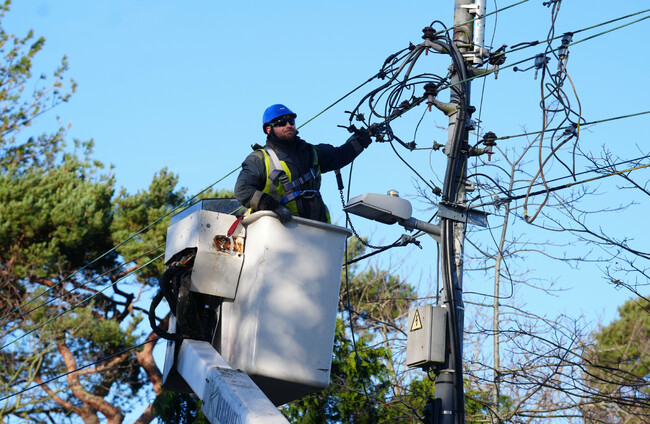
LAST WEEK, STORM Éowyn brought Ireland to its knees. At its peak, over 750,000 homes were without power, and now, at the time of writing, hundreds of thousands of people remain in the dark.
Many households have also lost access to water, with treatment facilities overwhelmed by the impact of the storm. As extreme weather events like this are becoming more frequent and intense, the experience serves as a blunt reminder of how vulnerable our infrastructure actually is.
Climate science tells us that storms like Éowyn are not just a one-off. They’re a preview of what is to come. As global temperatures rise, extreme weather events are becoming more common, challenging not only the systems we have come to rely on, but also the way we live.
While roofs were being ripped off buildings and trees uprooted by winds here in Ireland, uncontainable wildfires tore through residential Los Angeles, and Florida was covered in snow, which for many of its residents, will be a first in their lifetime. Taking climate action is crucial to mitigating these changes, however last week has shown us the necessity to balance sustainability with resilience.
At our not-for-profit social enterprise Common Knowledge, we share the skills, knowledge and community that people need to lead truly sustainable lives. Where housing is accessible for you, maintainable by you and sustainable for our planet. I believe that learning practical skills and learning how our homes work is the key to unlocking the resilience so many of us felt was missing this past week.
Storm Éowyn has caused me to reflect on some of the ways we have been implementing climate action in recent years. It is easy to understand why so much recent climate policy focuses on electrification.
Homes with A-rated energy certifications are more efficient: they lose less heat, thus require less energy to stay warm, and use renewable energy sources. Heat pumps are a genius alternative to carbon-heavy oil or gas boilers, enormously reducing emissions. Much like our electric cars, trading fossil fuels for renewable energy.
But this shift has come with a blind spot. By replacing fires, gas stoves and oil boilers with systems that are entirely grid-dependent, we’re creating a new kind of vulnerability. When the grid goes down, as it did for three-quarter of a million homes last week, those that rely solely on electric systems are left completely inoperable. No heat. No way to cook. And for those relying on electric pumps, no access to water.
I’m not here to argue against the electric evolution. It is absolutely the right direction for the planet. What is clear, in these early stages of adoption, is that we need to pair it with backup systems that work in emergencies.
So, how do we balance sustainability with resilience? The good news is there are many ways to build a sustainable home while maintaining a little resilience along the way:
Backup heating systems
If you’re switching from oil or gas to a heat pump, consider also installing a solid fuel wood-burning stove, as a backup heating system.
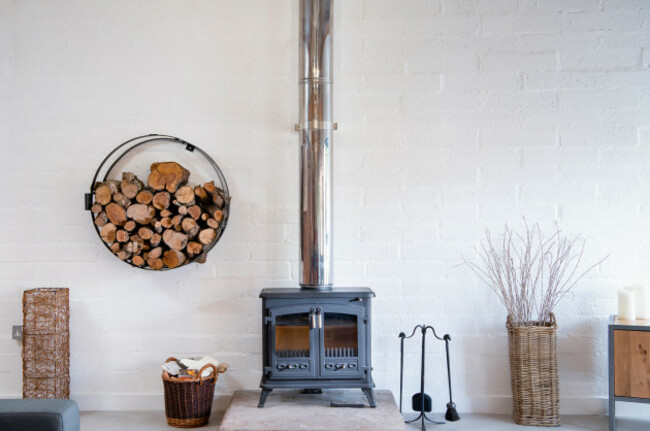
Modern stoves are highly efficient and burn with a much lower carbon footprint than traditional open fires.
Renewable energy at home
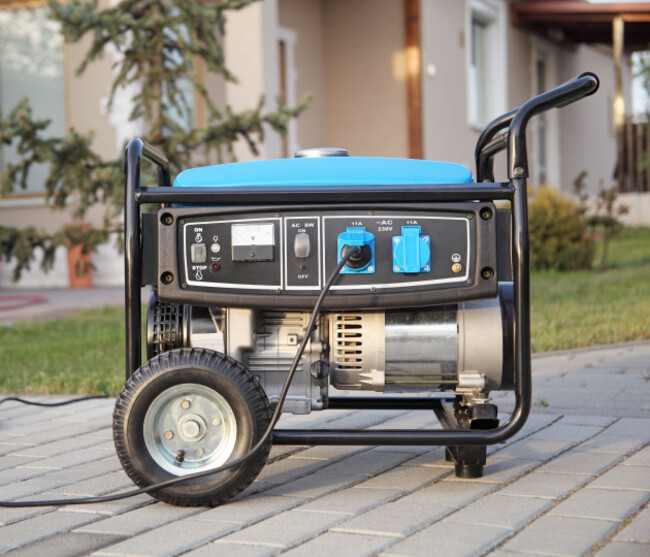
If you’re installing solar panels, consider adding battery storage with an emergency socket. A 5kW battery can keep essential appliances, such as your fridge and freezer, running for up to 24 hours during a power outage. Small-scale wind turbines are another good option, particularly in rural areas with consistent wind.
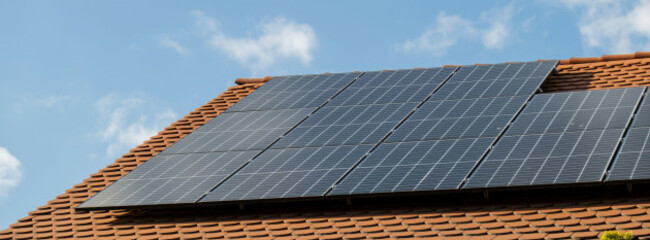
While these systems won’t fully replace grid power, they can provide enough energy to keep essential systems operational. If these feel out of reach due to their high price points, a portable solar panel to charge your phone can ease some anxiety.
Water storage and filtration
Water outages are often an overlooked consequence of storms. And in a climate like Ireland’s, the obvious answer is in the sky.
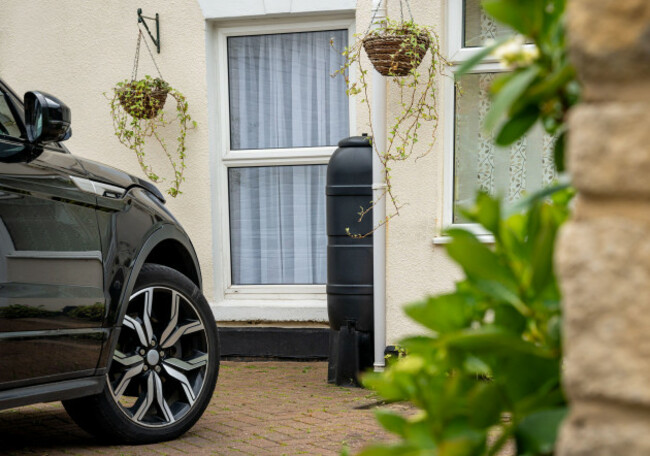
A rainwater harvesting system can collect and store water for non-drinking uses, such as flushing toilets and washing dishes. For drinking water, a gravity-fed filtration system or portable filters can ensure you have safe, clean water, even when mains water is unavailable.
Cooking without electricity
Consider installing a gas hob rather than an electric hob in your home. Alternatively, ensure you have a small camping stove or portable gas cooker in storage. Keep in mind that butane gas freezes at -0.5 °C so it won’t work in very cold weather, while propane gas has a much lower freezing point of -42 °C. Also, make sure you have a stock of non-perishable food that can be prepared without much cooking.
Learning practical skills
One of the most empowering things you can do is learn practical skills to become more self-sufficient. Take every opportunity you can to learn how your home works and how you can better work with it. Learn from your neighbours, friends, grandparents and elders — many of whom are well-versed in resilient, conscious living.
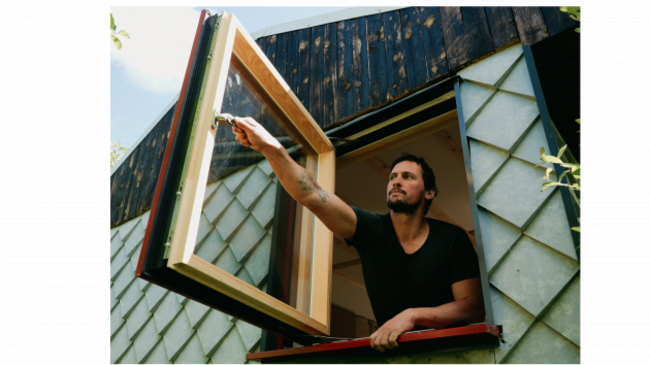
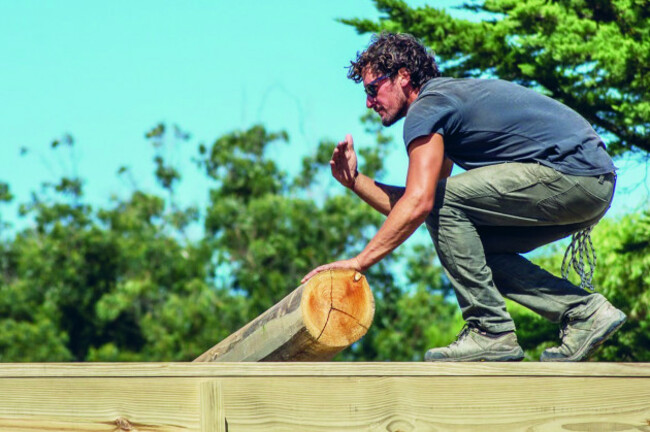
At Common Knowledge, we teach skills like basic carpentry and plumbing and simple solar set ups. Knowing how to take care of your home and adapt during emergencies can make a huge difference when the pressure is on.
Storm Éowyn is our reminder that true sustainability is not just about reducing carbon emissions, it is also about ensuring our homes and communities can withstand the challenges of a changing climate. You can install the most energy-efficient systems in your home, but if they leave you entirely dependent on the grid, how sustainable for you are they really?
True sustainability is about resilience. It is about creating systems that work for you in all situations – whether the grid is up or down.
And it is about recognising that sometimes, the old ways of doing things still have a place in our modern lives. A wood-burning stove, a rainwater barrel, or even a camping stove might seem like a backward step, but they’re the peace of mind we’re going to need heading into an unpredictable future.
Harrison Gardner is the presenter of the RTÉ series Build Your Own Home and the Author of the Self Build guide Build Your Own He is also a co-founder of Common Knowledge, a non-profit organisation in the Burren that teaches practical skills for sustainable living. Upcoming courses here. Harrison’s new book, Build Your Own is available here. For Instagram, see _harrisongardner and Common_k_.
To embed this post, copy the code below on your site















have your say