Sign in. It’s quick, free and it’s up to you.
An account is an optional way to support the work we do. Find out more.
Sign in. It’s quick, free and it’s up to you.
An account is an optional way to support the work we do. Find out more.
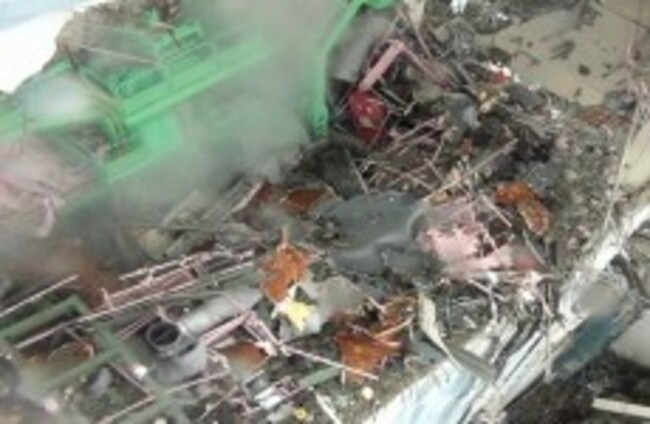
IRELAND’S RADIOLOGICAL WATCHDOG has said it has continued to detect trace levels of radioactivity in Irish air, following the ongoing difficulties at the troubled Fukushima I power plant.
The Radiological Protection Institute of Ireland said it had upped the level of testing it was carrying out since it first detected radioactivity over Ireland on Tuesday, and that the presence of the radioactive iodine-131 isotope had increased moderately in that time.
The RPII stressed, however, that the levels measured so far were “barely detectable, and pose no health risk”.
The level of radiation was so slight, its chief executive Ann McGarry said, that breathing in such a level of radiation would expose a person to less than 0.01 microsieverts (mSv) over the course of the year.
That dose was around 1/400,000th of the amount someone could expect to be exposed to by natural and man-made sources – like microwaves or television sets – in an average year.
“The releases of radiation to the atmosphere from Fukushima as a result of the explosions and fires during the week after the accident appear to have ceased,” McGarry said.
“If this situation continues we expect to see a decline over time in the average levels of radioactivity detected in Ireland.”
Testing over a 48-hour window from Monday to Wednesday that had led the RPII to declare the Fukushima leakage as present in Ireland had shown the level of iodine-131, or ‘radio-iodine’, to be 550 micro-becquerels per cubic metre of air – an almost negligible level.

To embed this post, copy the code below on your site
















have your say