Sign in. It’s quick, free and it’s up to you.
An account is an optional way to support the work we do. Find out more.
Sign in. It’s quick, free and it’s up to you.
An account is an optional way to support the work we do. Find out more.
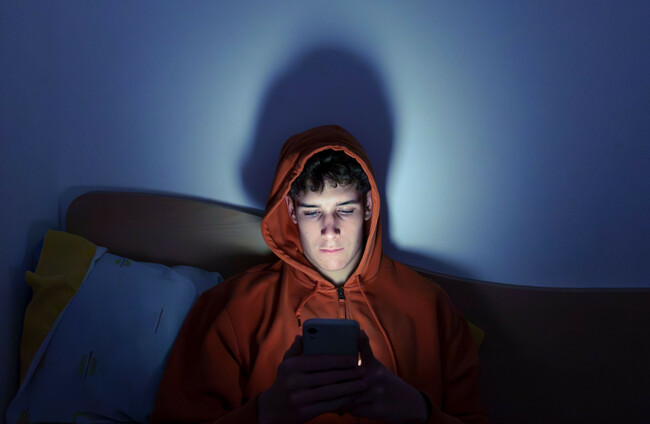
IRISH TEENAGERS ARE some of the least happy among the world’s high-income countries, according to a UNICEF report.
Analysing the mental and physical state of children across 43 OECD and EU countries, the report looked at the aftershock effects of the covid period and expanding digital world, which the children’s rights agency says are “reversing decades of progress in child wellbeing”.
It places Ireland 24th overall for the mental health of its adolescence.
Despite topping the list for academic performance, the data indicate a notable decline in the mental health of Irish teenagers in a period characterised by increased levels of isolation, the stifling of social interaction and the removal of critical support systems owing to long period of lockdowns.
One in three Irish teenagers were found to have what is termed “low life satisfaction”, a factor which the report attributes to increased social media use.
Life satisfaction was found to have dipped in recent years across several countries, including Ireland, with a notable decline in overall child mental health between the pre and post-covid periods.
Although Ireland has a youth suicide rate of 6.4 per 100,000 (above the international average), the data showed a decrease in these figures among teenagers over the period in question.
UNICEF Ireland’s executive director, Peter Power, described the results of the study as “stark”.
“Ireland’s teens are succeeding in school, but struggling in life,” he said. “We must match our investment in academic achievement with the same urgency for mental and emotional wellbeing.”
The children’s rights agency is calling on the Government to investing heavily in in-school mental health services, particularly in disadvantaged areas, to prevent a further decline in the mental health.
The report also revealed that one in four Irish teenagers (25.7%) are overweight or obese as UNICEF urges action by the Government in enforcing strict nutritional standards for school meals.
Concerns around the harmful elements associated with the rise of social media use have led to further calls to foster in teenagers a digital literacy and awareness of their rights in the online space.
“The pandemic has deepened existing inequalities, setting a troubling precedent for children’s wellbeing—particularly among those from disadvantaged and marginalised backgrounds,” said Aibhlin O’Leary, Head of Advocacy at UNICEF Ireland.
“To respond meaningfully, we need a unified, child-centred strategy that tackles these disparities head-on and supports every child, at every stage of their development.”
The agency is warning that the Governments must centre children in its recovery plans and ensure young people have a voice in shaping their futures.
To embed this post, copy the code below on your site












have your say