Sign in. It’s quick, free and it’s up to you.
An account is an optional way to support the work we do. Find out more.
Sign in. It’s quick, free and it’s up to you.
An account is an optional way to support the work we do. Find out more.
BLACK FRIDAY IS almost upon us – although it is more like a month than a single Friday at this stage.
The arms race among retailers to be the one to part us from our hard-earned cash has firmly dragged the Irish Christmas shopping season several weeks earlier. The idea of 8 December (it’s the Feast of the Immaculate Conception, kids) as the big annual shopping occasion is now so remote as to have become a stereotype of Dublin in the rare aul times.
But while many Irish retailers, and international chains with a presence here, have wholeheartedly embraced America’s annual promotional event over the past decade, let’s not put all the blame for this consumerism creep on businesses.
The Irish public have very much come on board the Black Friday bandwagon.
Google data for Ireland shows big spikes in searches for Black Friday every October and November since 2015, as shoppers seek out deals.
Siobhan Lam, owner of the April and the Bear homeware boutique in Rathmines and a judge on RTÉ’s Home of the Year, posted on Instagram that she had already had customers asking in mid-October what would be going on sale in November. She pleaded that she could not promise that certain brands or products would be discounted.
“Black Friday was built by retail giants, but small businesses feel the pressure to keep up,” Lam said.
“When shoppers hold off on buying for two months, it directly impacts our ability to run our business day-to-day.”
Several independent Irish businesses weighed in to say they had had the same experience, and felt the same pressure.
Some Irish companies are opting out. Foxford, the Mayo woollen mill and homeware brand, stopped doing Black Friday five years ago, but it still notices an increase in online sales across the Black Friday weekend (usually the last weekend in November), indicating this is when people are now starting their Christmas shopping.
Refusing to do Black Friday costs Foxford in sales volume, but it says the reaction to its decision has been positive.
“We feel that many customers understand the pressures of being an independent Irish business and so stand with us,” Foxford said.
It says it will continue to communicate with its customers based on “gifting with intention” rather than “mass consumerism”.
Now, while we would all obviously love to be gifting cashmere blankets with intention, realistically, most of us will partake in some common-or-garden mass consumerism over the next few weeks.
As Foxford’s experience shows, whether items are discounted or not, November is now the time when many of us go shopping.
So it’s worth bearing in mind that any impulse buys we make along the way may inadvertently become forever-purchases, even if you change your mind about whether you really want it.
Years of online shopping may have lulled many of us into a false sense of security when it comes to the ability to return items.
We’ve forgotten that while there is a legal right to return something bought online and get a refund – a 14-day “cooling off period” for online purchases is enshrined in EU law – this isn’t a thing on the high street. Yes, even if the tags are still on and you have your receipt ready to go.
“If you simply change your mind in a shop, there’s no legal right to anything,” cautions Jean McCabe, chief executive of Retail Excellence Ireland, the industry organisation.
Many retailers, including small independent shops, will offer an exchange or a credit note as “a gesture of good will”, McCabe says, but you are only entitled to a refund (within 30 days) if a product is faulty.
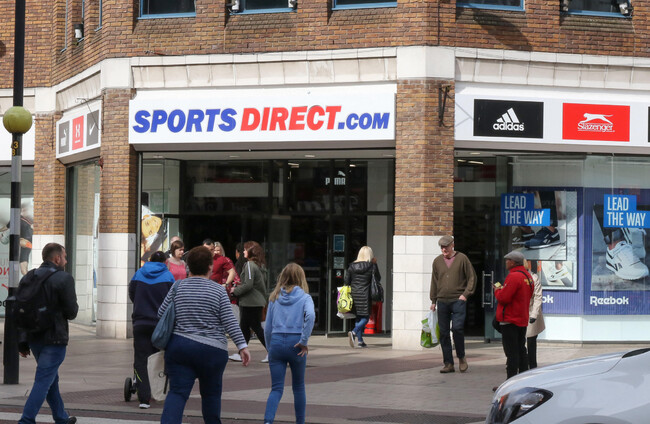
Some of the well-known businesses in Ireland whose general policy is not to offer cash refunds include Sports Direct, Best Menswear, Tower Records, Golden Discs and Subdued, an Italian fashion brand that is a recent arrival on Dublin’s Grafton Street.
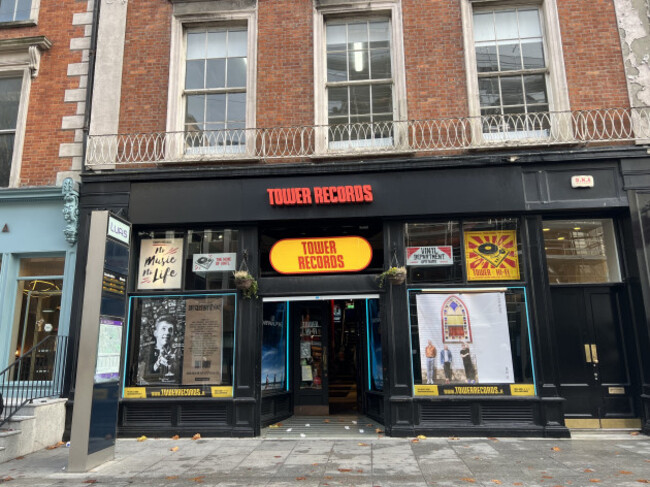
At all of these it’s typically exchange only or a credit note if you bring back something you bought in-store. For online purchases, the EU “cooling off” rules apply, although you could still face a cost. Sports Direct, for example, requires online returns to be posted back and charges €6.99 for this.
Some shops will only allow refunds within strict limits. At Irish fashion and homeware chain Carraig Donn, items bought in-store can generally only be refunded within seven days. After that, it’s exchange only within 28 days.
However, for the Christmas period starting on 2 November, the chain has extended its terms, allowing items purchased during this period to be refunded up to 10 January. This won’t apply for items returned with a gift receipt – here, an exchange will be offered, according to signs currently displayed in stores.
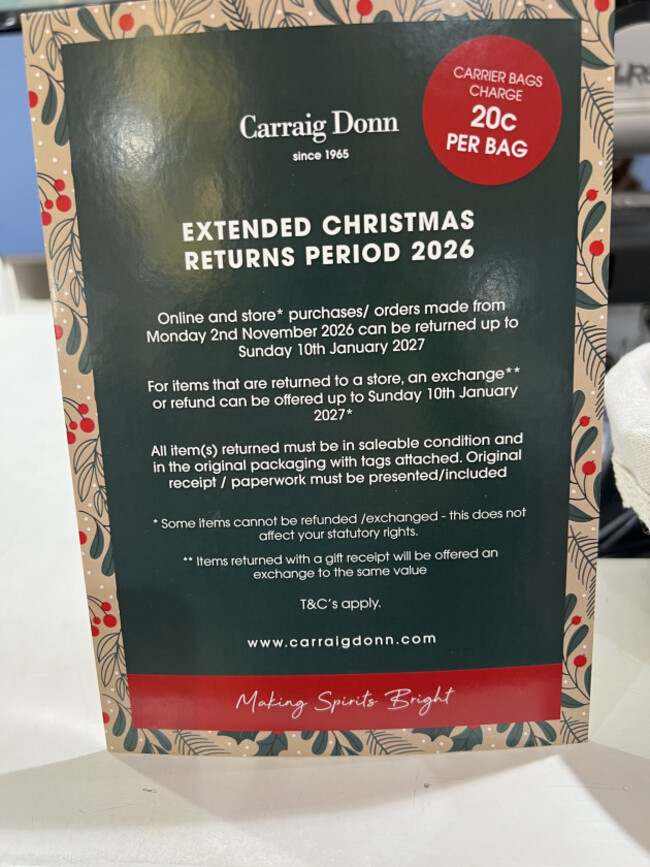
Carraig Donn won’t offer refunds or exchange on sale purchases. The chain is already promoting Black Friday discounts. Sports Direct and Golden Discs also offer discounts for Black Friday.
A quick skim of Google reviews and social media comments about these shops shows some customers have been annoyed to be caught out by their return policies.
However, all had their policies displayed at checkouts at stores in Dublin city this week, albeit with varying degrees of prominence. In Subdued, Golden Discs, Carraig Donn and Best Menswear multiple signs were very clearly displayed.
In Sports Direct and Tower, the signs were less numerous and prominent. The Sports Direct policy (pictured below) would be particularly easy to miss. All the businesses were contacted for comment.
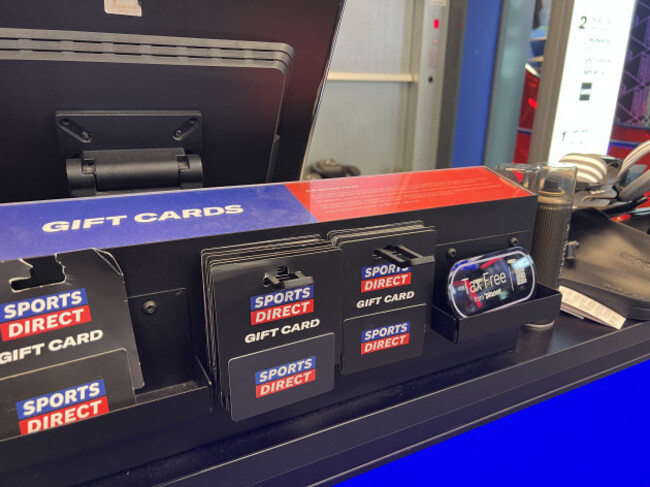
The example of Sports Direct shows it’s by no means just smaller, Irish businesses that don’t do refunds, but McCabe, of business coalition Retail Excellence, explains that boutiques in particular are more likely to find it difficult to do so.
Stock is paid for months in advance and by the time it is returned it could be out of season, necessitating a markdown to sell it on again.
“Large chains can absorb that across thousands of transactions, but a small independent can’t,” McCabe says.
Credit note-only policies also discourage people from buying something, wearing it once and bringing it back. This, depressingly, is “a real cost for fashion retailers”, McCabe says.
She makes a case for the humble credit note: they “keep the business viable” while also providing “full value” to the customer, who can still choose something they love. (Well, hopefully.)
McCabe’s advice for Black Friday is to check before you buy – and of course to shop Irish, to support the local economy.
“There will be some genuinely great value to be got across Irish retailers, but always check the returns policy before you buy, and keep your receipt.”

To embed this post, copy the code below on your site














have your say