Sign in. It’s quick, free and it’s up to you.
An account is an optional way to support the work we do. Find out more.
Sign in. It’s quick, free and it’s up to you.
An account is an optional way to support the work we do. Find out more.
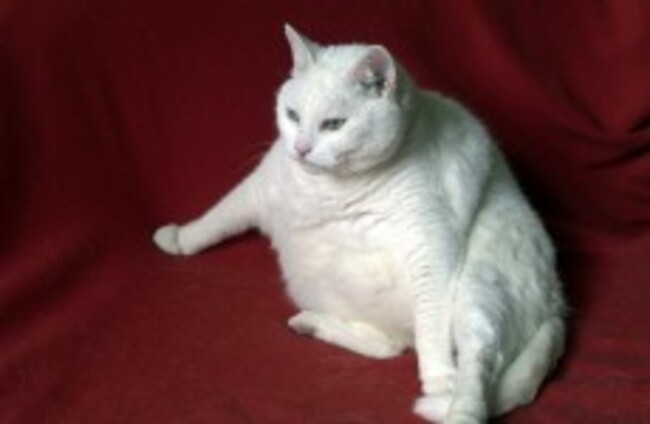
A NEW STUDY has revealed that just like humans, animals can overindulge when they are in emotional turmoil.
The study by the Western University of Health Sciences in California has found that while owners are part to blame for their fat pets, an animal will often consume more than they need in an attempt to dispel feelings of unhappiness and stress.
Depression
Pets are becoming prone to “emotional eating” because boredom, anxiety and depression, the study suggests.
The study, which was published in the latest edition of the Journal of Veterinary Behavior, suggests the obesity rate is as much as 25 per cent in cats and 45 per cent in dogs.
Certain breeds are also more likely to be fat than others. Dogs such as the Labrador retriever, cairn terrier, cavalier King Charles, Scottish terrier and cocker spaniel for dogs are the most common overweight dogs.
Short-haired cats are more susceptible to putting on the pounds.
The living habits of the animal also seem to play a role in how fat animals are. It has been found that obese cats are more likely to be living in houses with only one or two cats. Just like women, it is the female side of the canine world that are more susceptible to obesity than male dogs.
Dr Frank McMillan, who was involved in the study said:
The bottom line is that there is a ton of evidence in humans and animals like rodents that stress induced eating, or emotional eating, is a very real thing and contributes to obesity, so we should be looking at it in pet animals.

To embed this post, copy the code below on your site
















have your say