Sign in. It’s quick, free and it’s up to you.
An account is an optional way to support the work we do. Find out more.
Sign in. It’s quick, free and it’s up to you.
An account is an optional way to support the work we do. Find out more.
RTÉ IS SPENDING €6 million on a new human resources system, as it continues to change how it
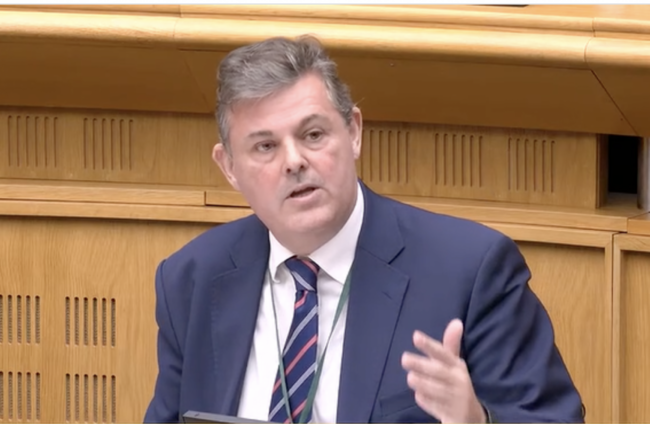
Executives from the national broadcaster appeared before the Oireachtas Public Accounts Committee again today over the pace at which it’s implementing reforms, and whether it’s reduced its costs.
Media Minister Patrick O’Donovan cut funding to RTÉ by €20 million as part of Budget 2027, citing concerns over the pace of reforms.
The decision sparked uproar, with RTÉ’s director-general Kevin Bakhurst saying the cut “came as a shock”.
In today’s committee meeting, Bakhurst and chief financial officer Annemarie Britz were faced with another round of relentless questioning from politicians.
Asked whether RTÉ has reduced costs, Britz said that money is being saved on salaries since reducing the headcount, but other costs have risen.
Bakhurst said these include copyright fees, licensing fees and notably a new ICT system.
This new human resources system, which will cost around €6 million, is expected to be up and running by March or April next year.
In the first voluntary exit programme, 68 staff members left, and a further 30 roles were suppressed, reducing the headcount by 98 in two years.
Reducing the headcount by up to 20% – around 400 roles – was a key component of RTÉ’s five-year strategy.
While issues with the Voluntary Exit Plan (VEP) were reported, Bakhurst confirmed today that the broadcaster is expecting to meet its workforce reduction target.
In line with its new employment-first policy, RTÉ said most of its presenter engagements have transitioned to employment arrangements.
At the beginning of the process, RTÉ identified 700 workers who should be considered for regularisation.
Bakhurst said they now have just 60 or 70 left to consider.
He told the committee that 90% of the Expert Advisory Committee recommendations have been implemented.
“As per the strategy, we have strictly managed day-to-day running costs and the overheads of the organisation to deliver better for the audience, and to deliver our public service remit,” he said.
“RTÉ recognises that significant work remains under public funding, and carries an obligation to continue to demonstrate value, accountability and delivery.”
Feargal Ó Coigligh, secretary general of the Department for Culture, Communications and Sport, told the committee today that its decision to cut part of RTÉ’s funding came down to priorities.
He said it was felt that certain commitments, such as the Basic Income for the Arts scheme, could not be reversed, so expenditure had to be reduced elsewhere.
He said the idea of giving out a Culture Card to young people was also scrapped due to budget restraints.
Bakhurst said he has trust in the department and the minister

To embed this post, copy the code below on your site














have your say