Sign in. It’s quick, free and it’s up to you.
An account is an optional way to support the work we do. Find out more.
Sign in. It’s quick, free and it’s up to you.
An account is an optional way to support the work we do. Find out more.

NEW GENETIC IDENTIFICATION methods were invented to find and identify the body of 1916 leader, Thomas Kent.
UCC historian Gabriel Doherty described how “the development of new scientific techniques” resulted in the remains being located and positively identified.
For many years the story of Thomas Kent’s actions in 1916, and his execution, were only vaguely known about, and discussed, within his native county of Cork. Doherty said:
In a curious way, a similar situation existed with regard to the location of his remains – that is, confusion and uncertainty prevailed.
The coincidence of Cork prison being closed in 2014 and the-then rapidly-approaching centenary of the Easter Rising gave rise to a new determination to locate Kent’s remains.
Tom Condit, an archaeologist at the Department of Arts, Heritage and the Gaeltacht, undertook the archaeological investigations of the site in Cork prison, while UCD scientist, Jens Carlsson, undertook the process of verifying that the remains located by the archaeological excavation were those of Thomas Kent.
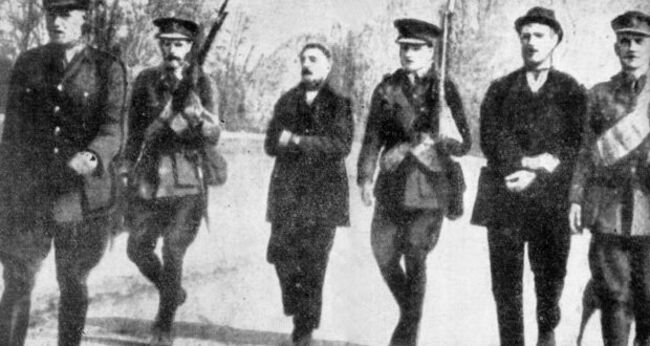
Thomas Kent’s identity was confirmed through genetic analyses. Dr Carlsson said:
Many have heard about genetic identification methods used by forensic laboratories across the world. However, the Thomas Kent case turned out to be a very challenging task that demanded development of novel genetic identification methods.
The two experts will discuss the detective work and method development needed to confirm the identity of Thomas Kent at an event in UCC tomorrow night.
The event, for which no booking is required, will be held in Boole Lecture Theatre 1V.

To embed this post, copy the code below on your site













have your say