Sign in. It’s quick, free and it’s up to you.
An account is an optional way to support the work we do. Find out more.
Sign in. It’s quick, free and it’s up to you.
An account is an optional way to support the work we do. Find out more.

THE IRISH MEDICAL Organisation (IMO) has warned that proposed changes to the citizenship bill would worsen Ireland’s doctor shortage and place “unsustainable pressure” on the health system.
In its opening statement before the Joint Committee on Justice, Home Affairs and Migration today, IMO said that the reforms would actively discourage foreign doctors from relocating to Ireland and drive away those doctors already practising here.
International doctors will view the proposed changes as a “direct insult to their contribution to Irish society”, the doctors’ trade union added, placing pressure on a system that relies heavily on international doctors.
The Taoiseach first announced the proposed changes during his party’s think-in in September. The proposal is to increase the number of residency years from five to eight, and to also include a language test.
This, Micheál Martin says, is to bring Ireland more closely in line with the requirements of other EU member states.
The move has attracted criticism, with migrant groups saying that it “risk[s] working against Ireland’s economic interests”.
Now, the doctor’s trade union has said that “unsustainable pressure” on the health system, which heavily relies on foreign doctors.
Addressing the committee today, IMO president Matthew Sadlier said: “Without the contribution of international doctors, Ireland would not have a functioning health system.”
He added that “Ireland’s current five-year naturalisation pathway has often been a factor in their decision to come here,” and foreign doctors make “serious professional, financial and familial sacrifices to deliver care to the Irish public”.
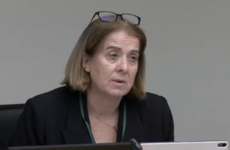
Dr Ijeoma Onwuemelie, IMO committee member, added that the bill would “actively discourage future doctors from relocating to Ireland and frustrate international doctors working here who will perceive this as a direct insult to their contribution to Irish society”.
“Our health system is already struggling with workforce shortages, recruitment and retention challenges, poor working conditions and burnout,” she added.
According to the latest Medical Workforce Intelligence report, nearly one-third of clinically active doctors working in Ireland trained outside of Ireland, the EU and the UK – a figure that has been increasing in recent years.
Ireland also has the fourth-highest proportion of foreign-educated doctors within OECD member states.
According to Ibec, Ireland’s largest business representative group, who also gave evidence before the committee today, “Ireland needs these international employees to continue to help make the country an attractive place to invest, to grow businesses and to compete on a world stage.
“If the timeline is extended, we risk losing talent to jurisdictions who maintain shorter pathways and offer a permanent route to residency.”
They added that international employees account for roughly one fifth of all employees countrywide, contributing to all sectors – from specialised technology and life sciences professionals, hospitality staff, healthcare sector, and construction workers.
“Demanding nearly a decade of unstable status, reinforced by bureaucratic hurdles that
treat contributors as liabilities, sends an unmistakable signal – no matter how vital your work, or how substantial your tax payments, or your membership of your community, Ireland still views you as an outsider.
They said that this puts Ireland at an “economic and societal disadvantage in a highly competitive, global market for skills”.
To embed this post, copy the code below on your site














have your say