Sign in. It’s quick, free and it’s up to you.
An account is an optional way to support the work we do. Find out more.
Sign in. It’s quick, free and it’s up to you.
An account is an optional way to support the work we do. Find out more.
NEED TO CATCH up? The Journal brings you a round-up of today’s news.
#TAX: The OECD has announced that 136 countries have agreed to impose a global minimum tax rate on corporations of 15% following years of negotiations on the far-reaching reform.
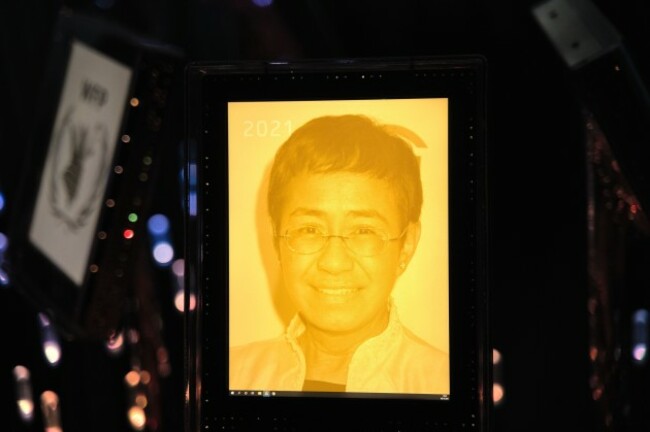
#PEACE PRIZE: The Nobel Peace Prize has been awarded to journalists Maria Ressa of the Philippines and Dmitry Muratov of Russia for their fight for freedom of expression in their countries.
#AFGHANISTAN: A blast has hit a mosque packed with Shiite Muslim worshippers in northern Afghanistan, killing or wounding at least 100 people, a Taliban police official has said.
A big part of the discussion around the UK’s Brexit referendum involved the topics of immigration and free movement.
It might not have been the sole reason people voted for Brexit, but it played a part in the Brexiteer argument for leaving the European Union. Now, years on, the topic of immigration is still a big one in the UK.
Over the past few weeks, The Good Information Project has been focusing on the European Union’s current migration issues. With free movement between the EU and the UK (with the exception of Ireland because of the common travel area) having ended on 31 December 2020, the series looks at what impacts have been felt.
On this week’s The Explainer podcast, The Journal looks at how migration has been affected post-Brexit.

To embed this post, copy the code below on your site














have your say